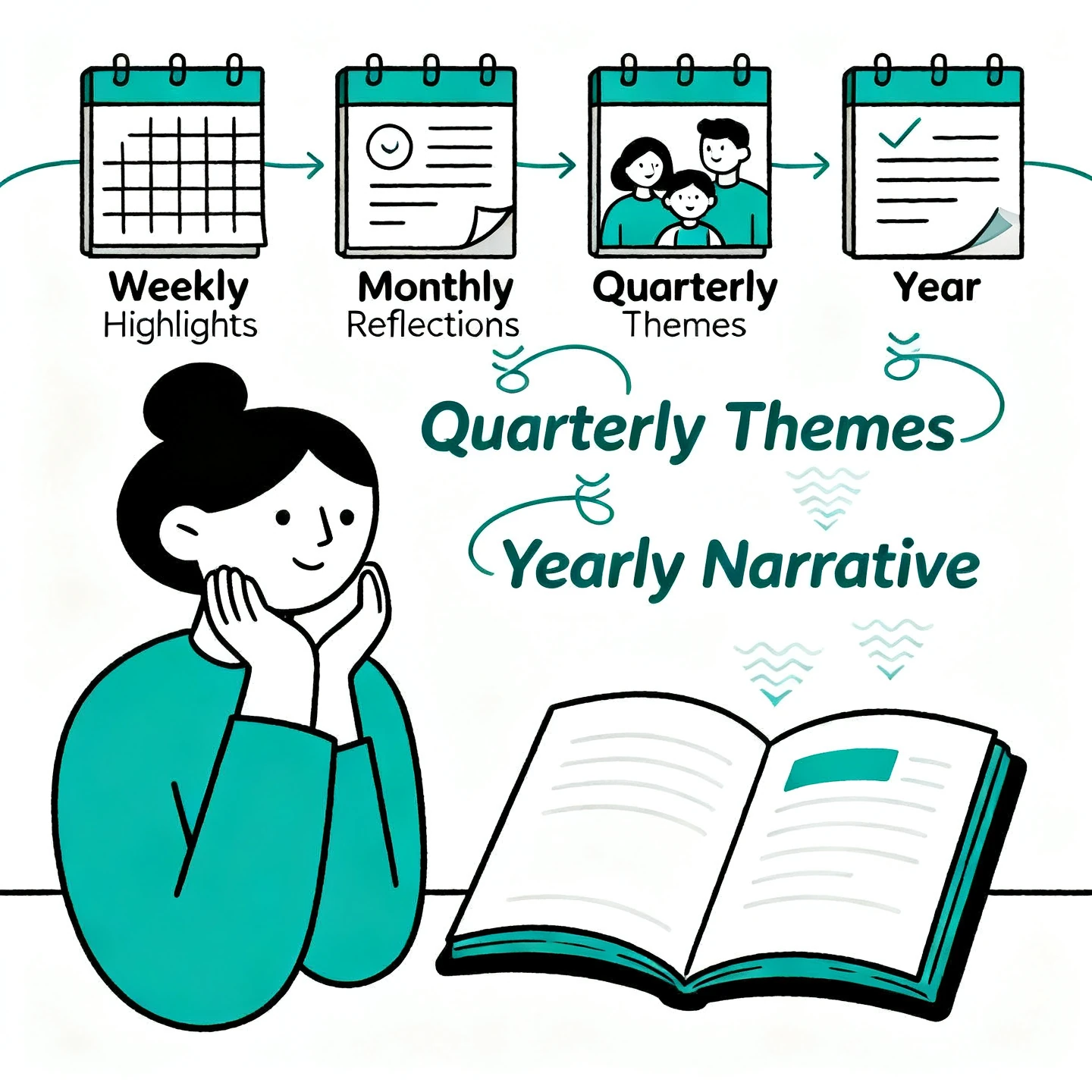
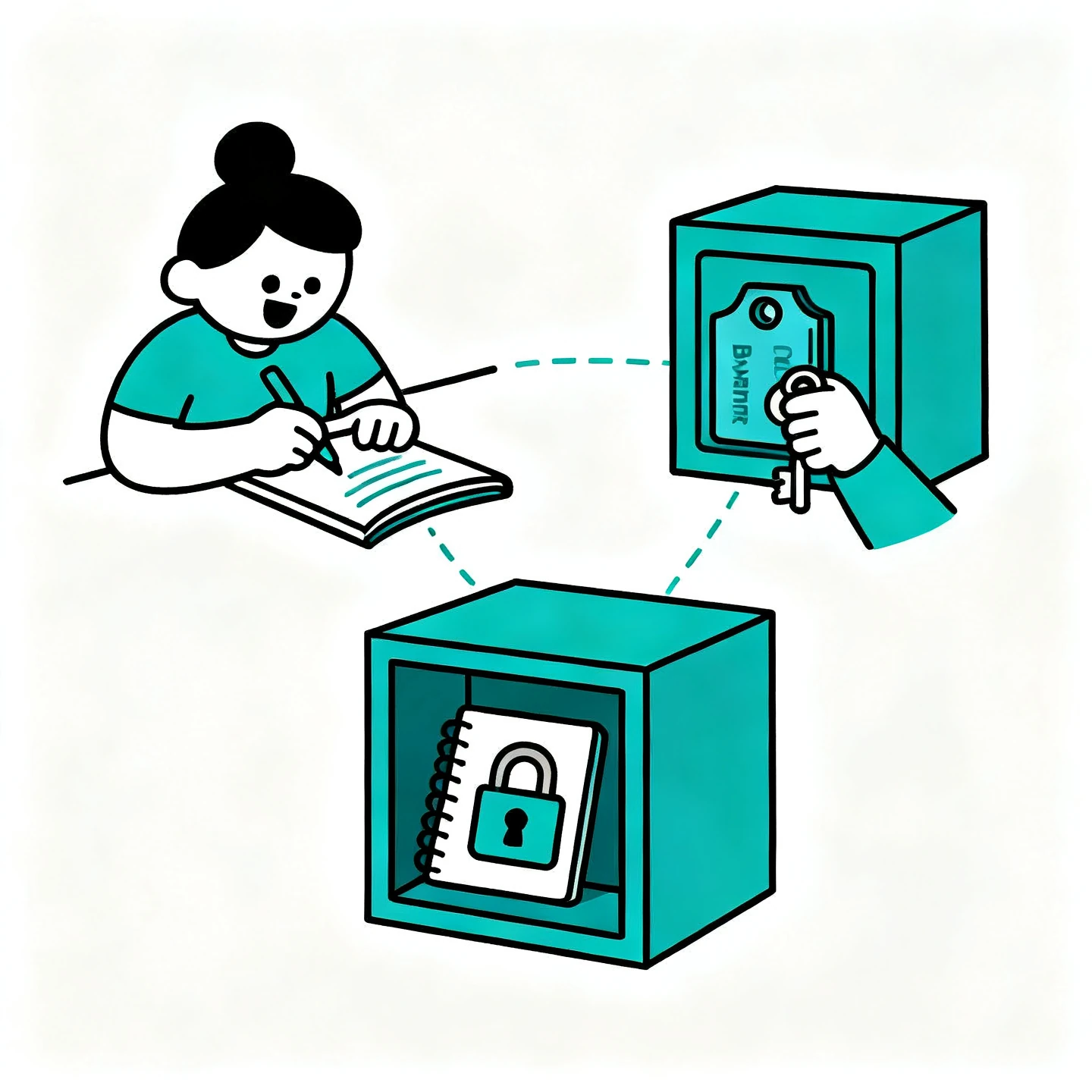
People write on Deeditt about things that matter to them: a loss, a change, a year that went differently than planned. Sharing that kind of story takes a certain calm, the feeling that the space around it is looked after.
Deeditt 2.13 is mostly about that feeling. It also brings something new to do with what you read. This article explains what changes for you. The full list is in the v2.13.0 release notes.
When someone makes you uncomfortable, you can step away completely
Until now, you could mute an account. That hid them from you, but it didn’t hide you from them.
Now, muting has become blocking, and it works both ways. You can block an account from wherever you meet it: one of its deeds, a comment, its profile or a conversation. From that moment, neither of you sees the other on Deeditt. Their deeds, comments and profile disappear for you, yours disappear for them, and the conversation between you is hidden. Neither of you gets notifications about the other.
We also hear about every block, so we can look at the account. You don’t need to explain anything or file a report for that to happen.
What this means for you: if a conversation turns unpleasant, you don’t have to keep running into that person. One decision is enough.
What gets shared is checked first
Deeds, journeys and comments that other people can see are now checked automatically before they are published. If something includes language that isn’t allowed on Deeditt, it isn’t published, and you’re told what to change.
We were careful about what this check looks for, because Deeditt is a place for lived experience. It doesn’t look at topics. Writing about grief, illness, addiction, abuse or anything else that is hard to put into words is still welcome. The check looks for a short list of terms that are offensive in any context, and nothing else.
It also never touches what is yours alone. Memories and private content are not checked.
What this means for you: when you read comments under a deed, or someone answers yours, there is one less thing to brace yourself for.
One less password
You can now sign in or create your account with Apple, alongside Google and Facebook. If you already use your Apple account for everything else, Deeditt now works the same way.
Keep the sentence that stays with you
Sometimes what stays with you from someone’s story isn’t the whole story, it’s one sentence. The one you read twice. The one you’d like to find again in a month.
On the web, you can now highlight it. Click the sentence in a public or community deed and choose Highlight. It stays marked for you, and it’s saved in Highlights, in the account menu, so you can go back to it whenever you want.
Other people’s highlights show too, as a soft marker that grows a little deeper as more people choose the same sentence. What doesn’t show is who chose it. There are no names next to a sentence and no ranking, and highlights are free.
If you write on Deeditt, this is what you’ll notice: when someone highlights your deed, you get a notification with their name. It doesn’t say which sentences, because what someone keeps from your story is theirs. And if you edit a deed later, only the sentences you change lose their highlights, and the web tells you before you save.
Highlights are on the web for now and will come to the app soon. Private deeds can’t be highlighted.
What this means for you: a quiet way to tell someone that their words reached you, without having to write a comment.
Read Deeditt your way
Public deeds now have an RSS feed. If you follow blogs or newsletters in a feed reader, you can follow the most recent public deeds there too, even without an account. You’ll find the link in the Explore sidebar.
We’ve also reviewed the web app with screen readers and the keyboard in mind. Dialogs take focus when they open, images and pickers open from the keyboard, new chat messages are announced as they arrive, form errors are read out next to their field, and Insights no longer rely on colour alone to tell feelings apart. You can read more on our Accessibility page.
What this means for you: Deeditt reaches more people, in the way that suits each one.
Less waiting
Deed pages and lists such as Explore and profiles now load much faster, on the web and in the app, especially for deeds that many people have reacted to and commented on. On the web, text no longer shifts when the fonts finish loading. And in the app, the keyboard no longer closes while you type a journey’s title or description.
What doesn’t change
Memories stay private and are never checked. Who can see each deed is still up to you, and highlights and blocks never show up as numbers next to anyone’s name.
Everything in this release starts from the same idea: you should be able to share what matters to you, calmly, and keep what matters to you from others.