The Fear Is Real
Most people have stories that could help others. A career mistake they learned from. A relationship pattern they finally recognized. A health challenge they navigated. But when they think about sharing these stories publicly, something stops them.
The fear of judgment. The worry that people will misunderstand. The uncomfortable feeling of being exposed. These aren’t irrational concerns. They’re the natural tension between wanting to be useful and wanting to stay safe.
This tension keeps valuable knowledge locked away. The very experiences that would help others the most are often the ones people feel least comfortable sharing.
What Public Reflection Actually Does
When someone shares their real experience — not the highlight reel, but the actual messy journey — it does something important. It tells other people they’re not alone. It shows them what to watch out for. It gives them permission to struggle with the same things.
This is why forums, support groups, and honest storytelling platforms exist. People need to see that their private struggle is actually common. That others faced similar situations and found a way through. That the path exists, even if it wasn’t easy.
But this only works if the reflection is honest. Sanitized stories don’t help. Generic lessons don’t stick. What helps is the specific truth: “Here’s what I tried. Here’s what didn’t work. Here’s what I wish I’d known.”
The Privacy Trade-Off
Here’s the problem: the more honest you are, the more exposed you feel. The details that make a story useful — the specific mistake, the emotional reality, the parts you’re not proud of — are exactly the parts that feel risky to share.
Once something is public, it can be judged. Misunderstood. Taken out of context. Even a thoughtful reflection can be read harshly by people who don’t know your full situation. That’s not paranoia. That’s just how public spaces work.
So people face a choice. Stay completely private and keep the lessons to themselves. Or go fully public and risk judgment. Neither option feels quite right.
The Middle Path
The solution isn’t choosing between full privacy and full disclosure. It’s selective openness. Sharing the pattern without sharing every detail. Giving people the lesson without exposing yourself unnecessarily.
You can talk about recognizing a toxic work dynamic without naming the company. You can share how you handled a difficult family situation without identifying everyone involved. You can describe the mistake you made and what you learned from it without broadcasting every vulnerable detail.
The value isn’t usually in the specifics anyway. It’s in the pattern. How the situation unfolded. What you tried. What worked or didn’t. What you’d do differently. Other people don’t need your exact story. They need to recognize their own situation in yours.
What to Share, What to Keep
The question becomes: what parts of my experience would actually help someone else?
Usually, it’s not the private emotional details. It’s the structure of the situation. The warning signs you missed. The decision point where things could have gone differently. The thing you finally understood that changed everything.
Those lessons can be shared without full disclosure. You can be useful without being exposed.
This is where thoughtful reflection matters. Before sharing, ask: Is this detail necessary for the lesson? Or is it just making me more vulnerable without making the story more helpful?
Why This Matters for Communities
When people share selectively but honestly, communities build up a library of lived experience. Others can search for situations like theirs and find real accounts from people who’ve been there. Not advice from experts who’ve studied it. Stories from people who’ve lived it.
That’s valuable in a way generic advice isn’t. But it only works if people feel safe enough to share. If the cost of being helpful is feeling constantly judged, people stop sharing. The library stays empty.
How Deeditt Handles This
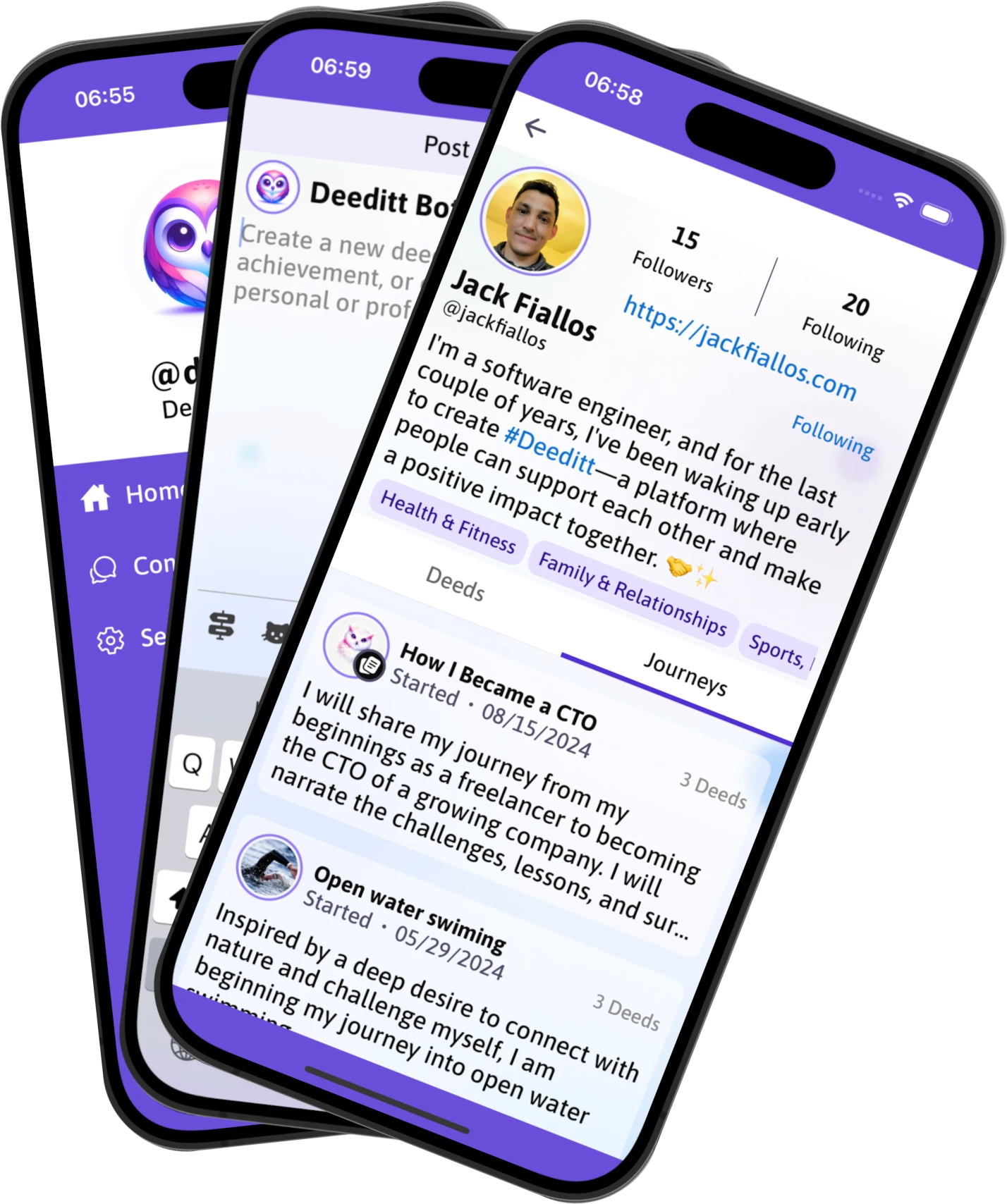
This is exactly where Deeditt’s structure addresses the tension. The platform has two distinct spaces that work together.
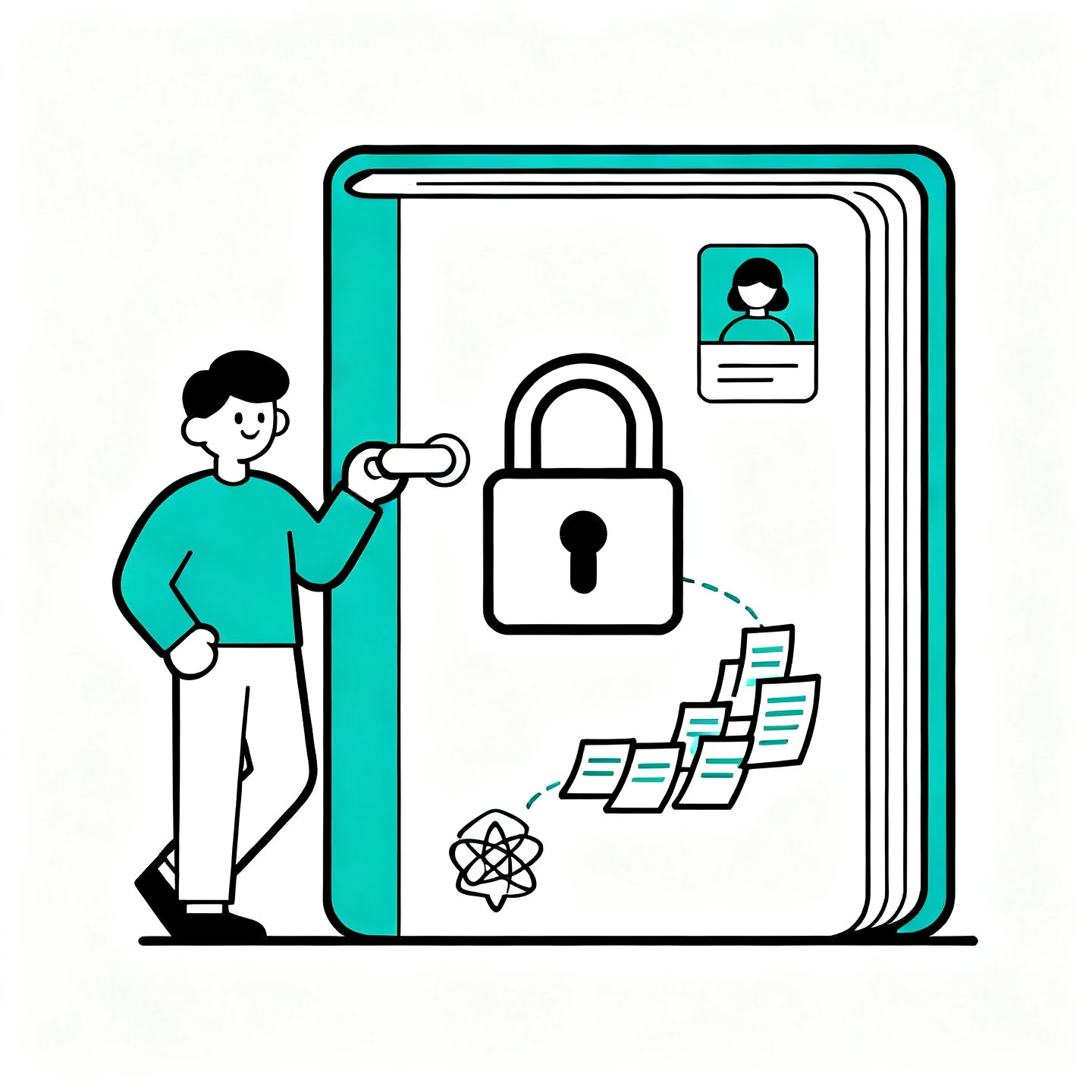
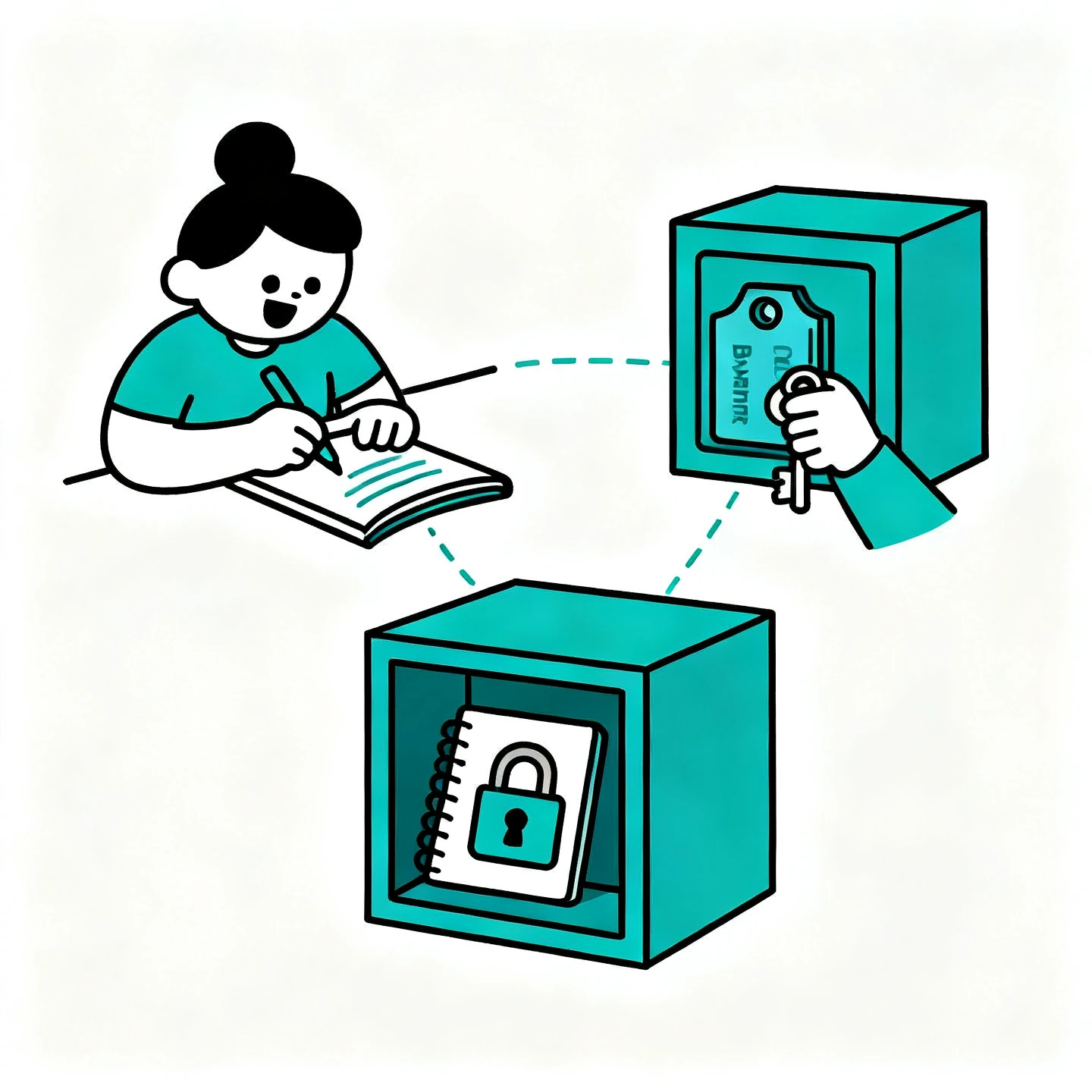
First, Memories are completely private. These are your reflections, thoughts, and personal processing — encrypted with AES-256-GCM and never shared with anyone. This is where you can be fully honest without any audience. Nothing from Memories is public or shareable.
Second, Deeds and Journeys are for experiences you choose to document. But here’s the key: you control who sees them through visibility settings. Each Deed or Journey can be set to:
Public — readable by anyone, even people without a Deeditt account. This is for experiences you’re comfortable sharing with the world.
Community — visible only to other Deeditt users. This creates a middle ground where you’re sharing with people also documenting their lives, not broadcasting to the entire internet.
Private — visible only to you. This lets you document experiences in Journey format without making them public yet. You can change the visibility later when you’re ready.
These settings can be changed anytime. You can start a Journey as private while you’re living through it, shift it to community when you’ve processed it, or make it public once you’ve extracted the lesson. Or keep it private forever. The choice is always yours.
This flexibility matters because it removes the pressure to decide upfront whether something is “for you” or “for others.” You can document honestly and adjust visibility as your comfort level changes.
The Real Question
Public reflection is worth doing when it’s purposeful, not performative. When you’re sharing because the lesson matters, not because you feel obligated to expose yourself.
The strongest version is being able to say “here’s what I learned” without feeling forced to say everything. Enough detail to be useful. Enough privacy to stay safe. That’s the balance worth aiming for.