Why Deeds Work Better Than Posts for Real Stories

Why Deeditt uses deeds instead of conventional posts when context, progression, and lived experience matter.

Product2min read
Why Deeds Work Better Than Posts for Real Stories

A post usually captures visibility, not experience

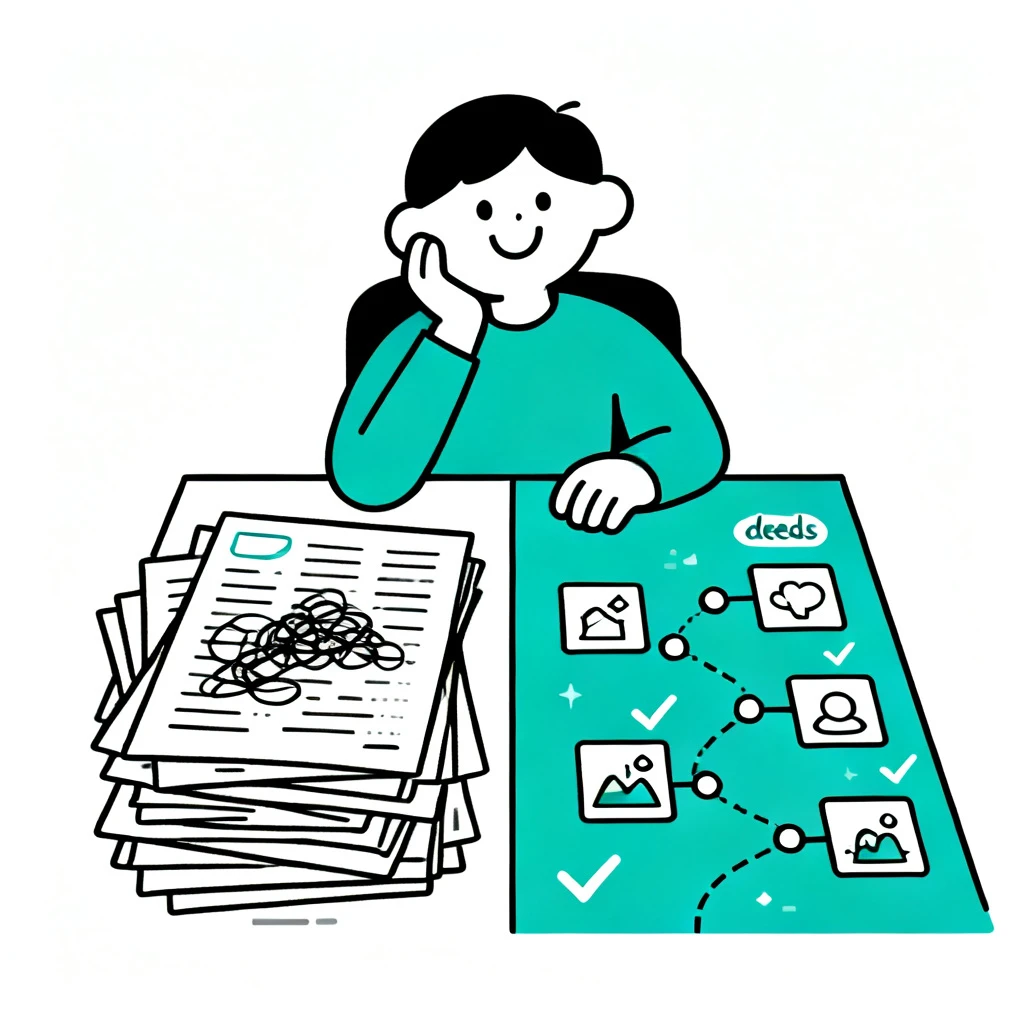
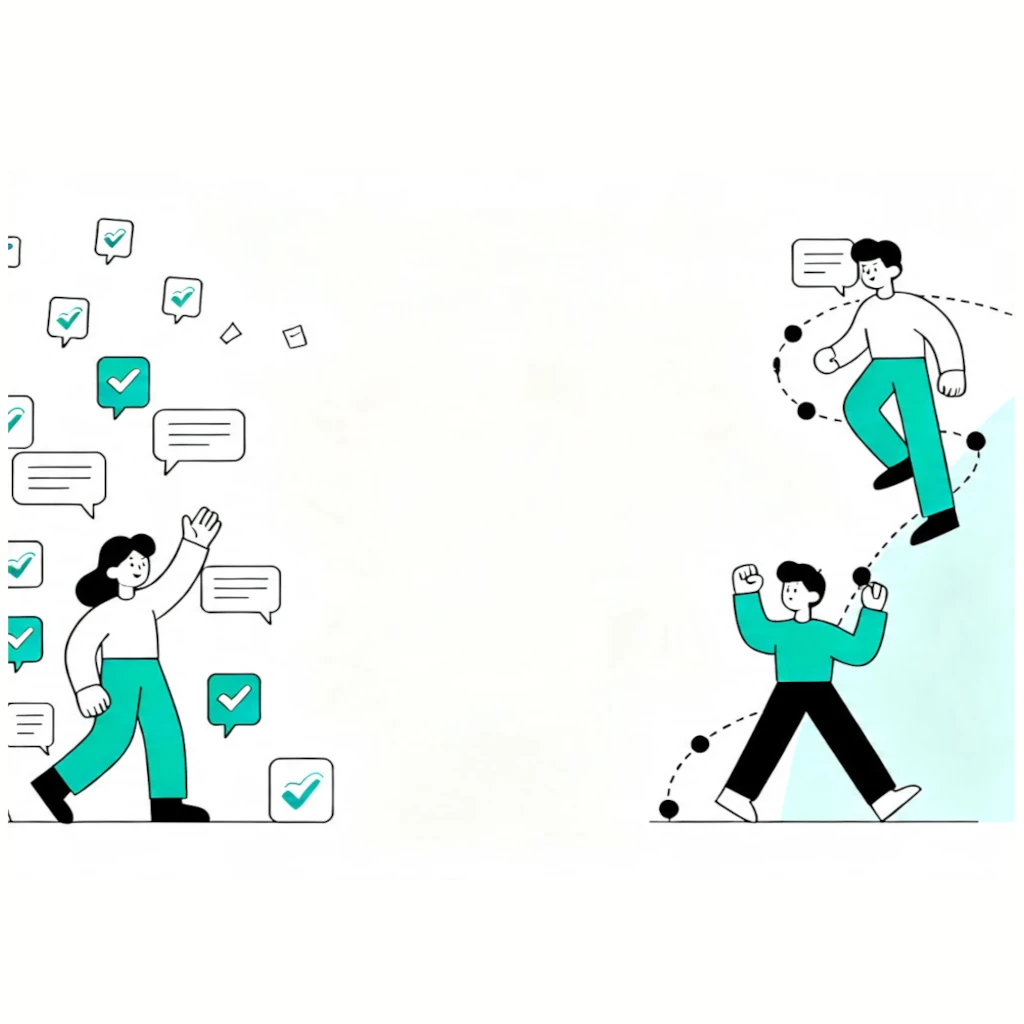
Traditional posts are built for distribution. They are compact, self-contained, and easy to react to. This makes them effective for feeds, but limited when it comes to capturing how something actually happened.

Most posts are designed to be consumed quickly. They focus on a single idea, a highlight, or a conclusion. What often gets lost is everything around it: the context, the uncertainty, and the process behind the moment.

Real experience is rarely that simple. It evolves over time and includes decisions, emotions, and changes that cannot always be reduced to a single update.

A deed is closer to something that happened

Deeditt uses the concept of a deed because it reflects real experience more accurately. A deed is not just something you share. It is something that represents an action, a moment, or a shift.

A deed can hold:

  • what happened
  • why it mattered
  • where it belongs inside a larger journey
  • what changed because of it

This makes it easier to connect one moment to another and see how a story develops.

Context creates better understanding

When writing is organized as deeds instead of isolated posts, it becomes easier to follow a process. A decision at work, a personal challenge, or a learning moment can be seen as part of a sequence, not as a standalone event.

Over time, this creates a clearer narrative. Both the writer and the reader can understand not just what happened, but how and why it unfolded.

Better product units produce better stories

If a platform wants meaningful storytelling, it needs structures that can carry real experience. Posts are useful for sharing quickly. Deeds are better for preserving meaning.

By focusing on deeds, Deeditt creates space for stories that grow over time instead of disappearing in a feed.

Try it in Deeditt

Write with calm. Share with intention.

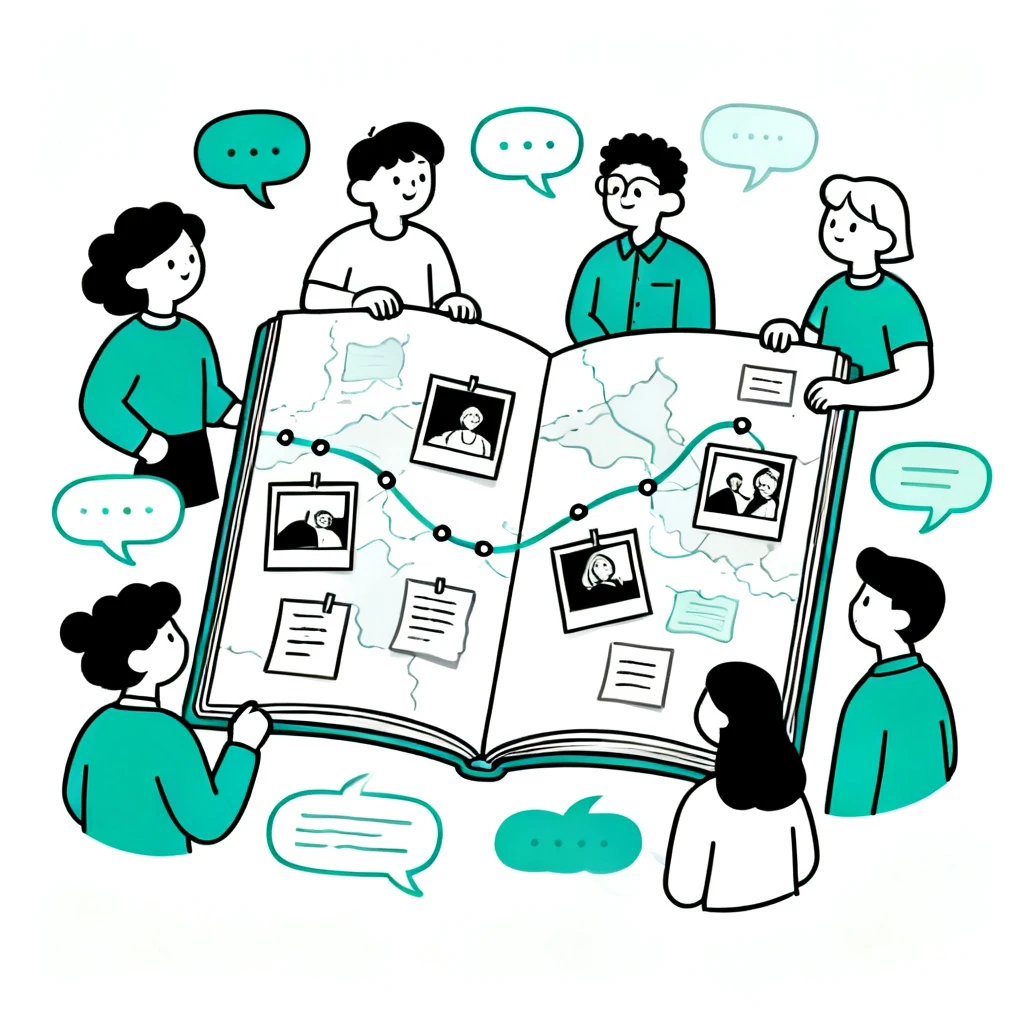
Deeditt gives you a place to document real moments, shape them into journeys, and publish only when it feels right.

Read next

Personal mythology writing: create your life's narrative
Product

Personal mythology writing: create your life's narrative

A journey gives personal writing enough structure to reveal turning points, transformation, and the story underneath events.

March 21, 20262min read

Transform scattered moments into a coherent life story through journey-based storytelling and better narrative continuity.

Read article
Shared Journeys: Multiple People, One Story
ProductFeatured

Shared Journeys: Multiple People, One Story

When something significant happens, each person who was there remembers it differently. Shared Journeys capture all of these perspectives in one place, creating a richer, more complete record of what actually happened.

August 27, 20264min read

When something significant happens — a trip, a project, a milestone, a difficult transition — each person who was there remembers it differently. Not because anyone's lying or wrong. Because everyone experienced it from a different position. Shared Journeys capture all of these perspectives in one place, creating a richer, more complete record of what actually happened.

Read article
Why Deeds Work Better Than Traditional Journal Entries
ProductFeatured

Why Deeds Work Better Than Traditional Journal Entries

Starting a journal is easy, but maintaining it and finding value in it can be challenging. Traditional journal entries often blend together, making it hard to find specific moments or patterns. Deeds, which focus on specific actions or experiences, offer a more structured and useful way to capture meaningful moments.

August 19, 20264min read

People often start journaling with good intentions, but traditional journal entries can feel like documenting the mundane. Deeds, on the other hand, capture specific moments that matter, making it easier to see patterns and learn from experiences over time.

Read article