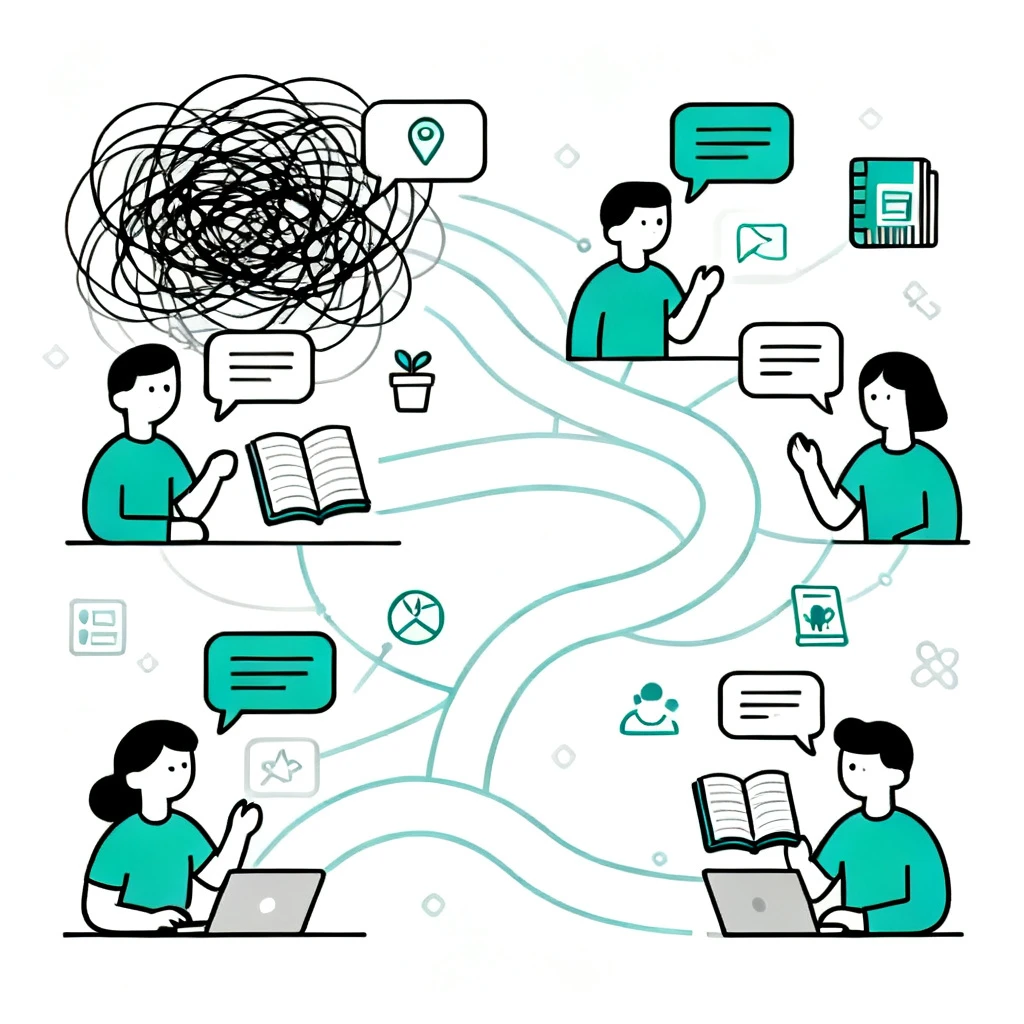
Personal experience is one of the strongest ways to learn, but it is also limited. You only see life from your own perspective, with your own timing and context.
If you rely only on what happens to you, learning can be slow and sometimes costly.
Other people’s experiences expand what you can understand. They allow you to see patterns, mistakes, and outcomes before you have to go through them yourself.
That is one of the reasons storytelling matters.
Stories carry usable pattern recognition
When someone shares a real experience with context, it becomes more than advice. It becomes something you can learn from.
A good story shows:
- what happened
- what was missed or misunderstood
- what changed over time
- how decisions affected outcomes
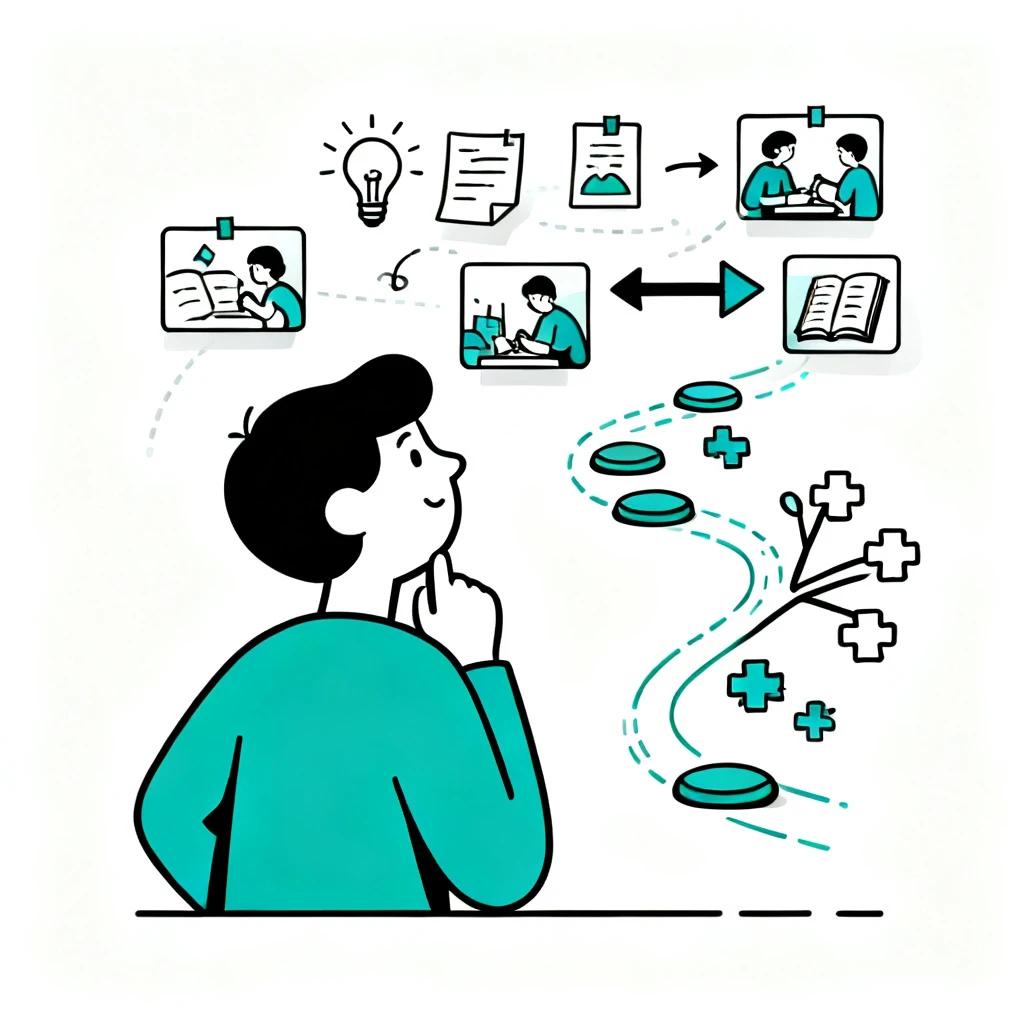
This helps you recognize similar situations in your own life earlier.
You start to see patterns instead of isolated events.
Learning from others requires more than copying conclusions
The goal is not to copy someone else’s decisions. What worked for them may not work for you in the same way.
Instead, focus on:
- the principles behind their choices
- the emotional patterns they experienced
- the way they responded to challenges
This allows you to adapt what you learn instead of repeating it blindly.
Stories create empathy and perspective
Learning from others is not only practical. It also builds understanding. You begin to see how different people experience similar situations in different ways.
This reduces judgment and increases perspective.
Turn stories into insight
When you read or hear a story, take a moment to reflect. Ask yourself what feels familiar, what feels different, and what you would do in a similar situation.
Growth becomes faster when you combine your own experience with the lessons you can observe in others.