Here’s a simple test: What was the last social media post you saw? Not the platform, the actual content. What did you learn from it?
Most of us draw a blank. We spent twenty minutes scrolling, saw dozens of posts, and retained nothing. That’s not because you have a bad memory. It’s because most social networks aren’t built for learning. They’re built to keep you scrolling.
The Difference Between Engagement and Value
Traditional social platforms measure success by how long you stay on them. Time on site. Number of clicks. Watch time. The longer you scroll, the more ads you see, the more money they make. Whether you gained anything from those twenty minutes is irrelevant to the business model.
This creates a strange situation: platforms optimized for engagement often show you the least valuable content. The viral meme. The outrage bait. The perfectly filtered vacation photo. Whatever makes you click next. Not whatever teaches you something useful.
You can spend hours on these platforms and walk away with nothing. That’s by design.
What Gets Lost in the Highlight Reel
Even when the content is real, the format hides the valuable parts. You see someone’s promotion announcement, but not the eighteen months of rejection emails that came before it. You see the wedding photos, but not the hard conversations that almost ended the relationship first.
The messy middle — where all the actual lessons live — doesn’t fit in a polished post. So it gets edited out.
This means the internet is full of results without process. Destinations without maps. Everyone showing where they ended up, nobody showing how they got there.
A Different Model
What if a social network was built on the opposite principle? Instead of “how long can we keep you here,” the question becomes “what did you take with you when you left?”
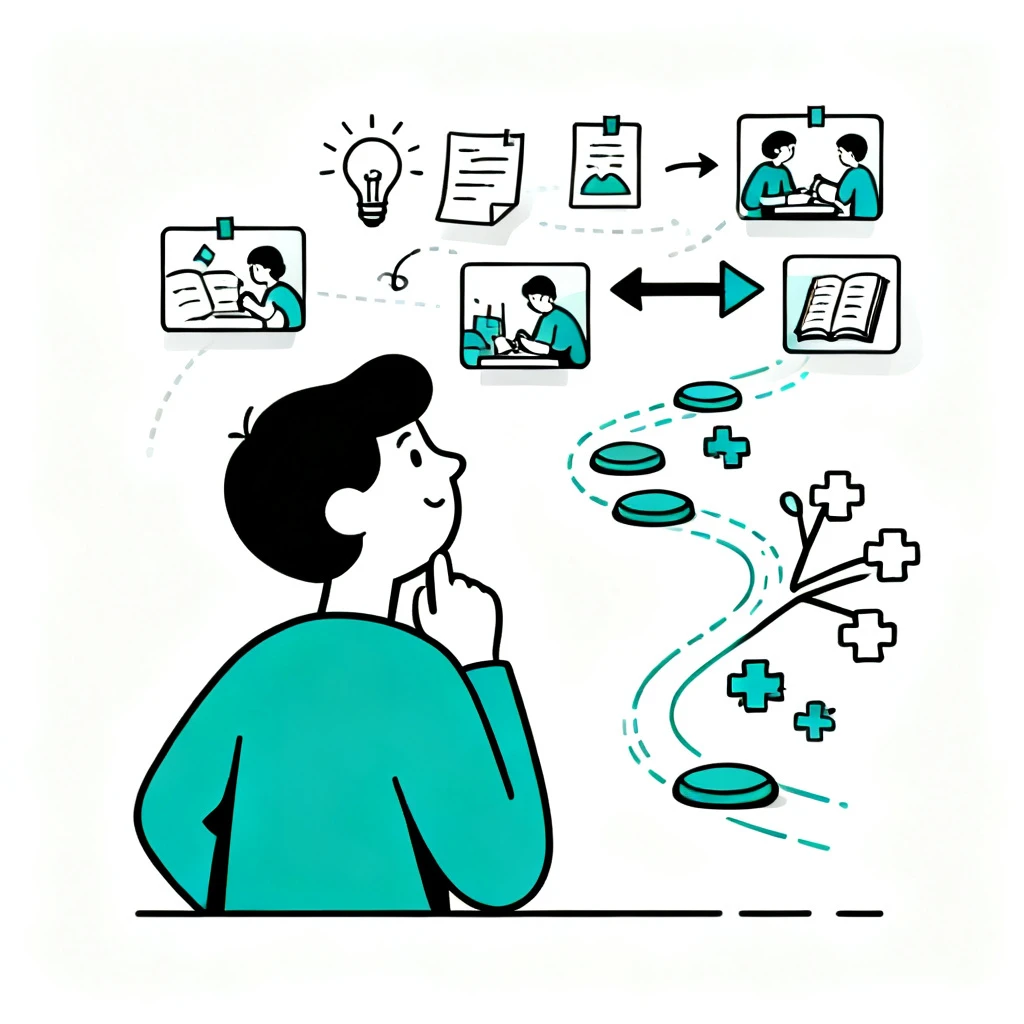
This requires a completely different structure. Not posts, but stories. Not moments, but journeys. Instead of seeing someone’s highlight today, you see their whole arc — the confusion, the false starts, the thing they finally figured out.
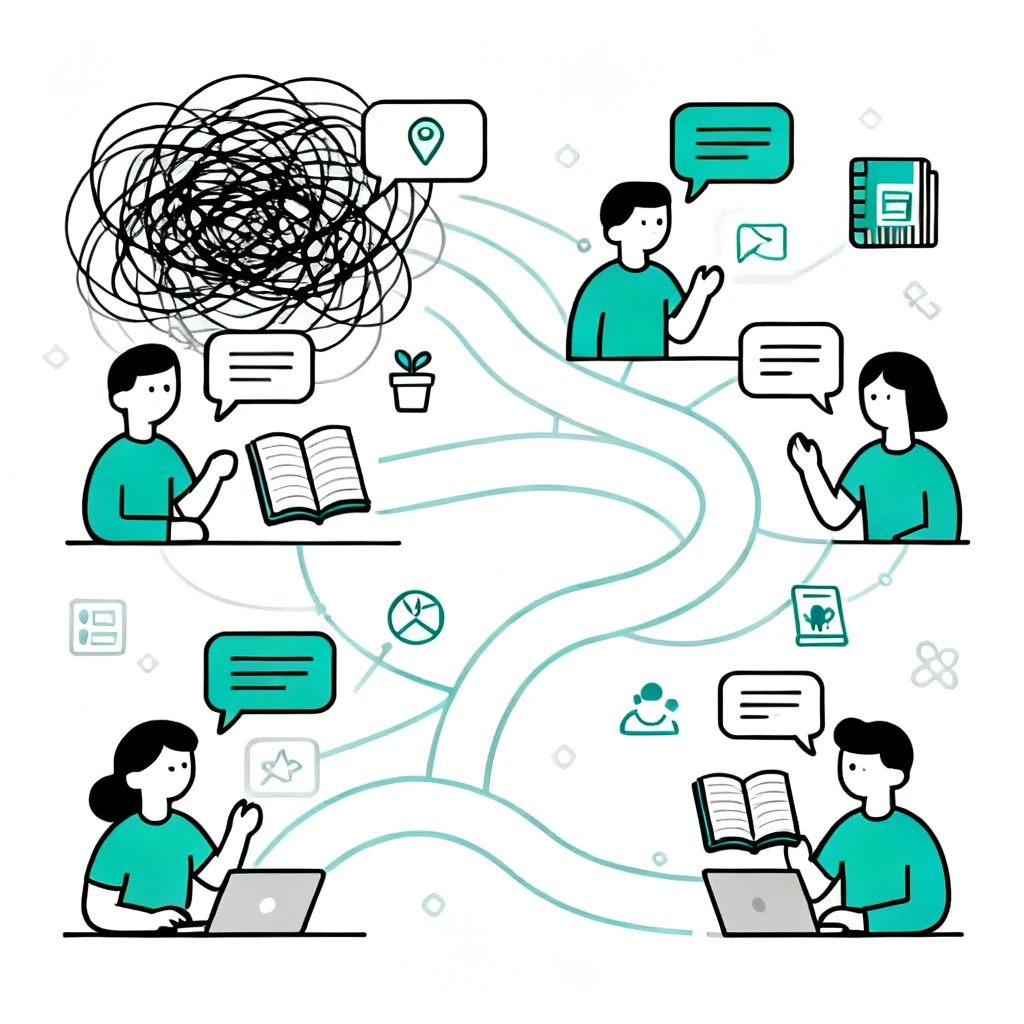
That’s what platforms like Deeditt are trying to build. Not a feed of disconnected updates, but documented experiences that connect across time. Small entries — “deeds” — that string together into the real shape of a career change, a recovery, a difficult transition, a major decision.
The content isn’t optimized to go viral. It’s structured to actually help the next person facing the same thing.
It Requires Both Sides
But here’s the catch: this only works if both sides show up.
You need people willing to document the unglamorous truth. The parts where they didn’t have answers. The mistakes they made. The things that felt obvious in hindsight but were terrifying in the moment. That takes courage, because it means being vulnerable instead of polished.
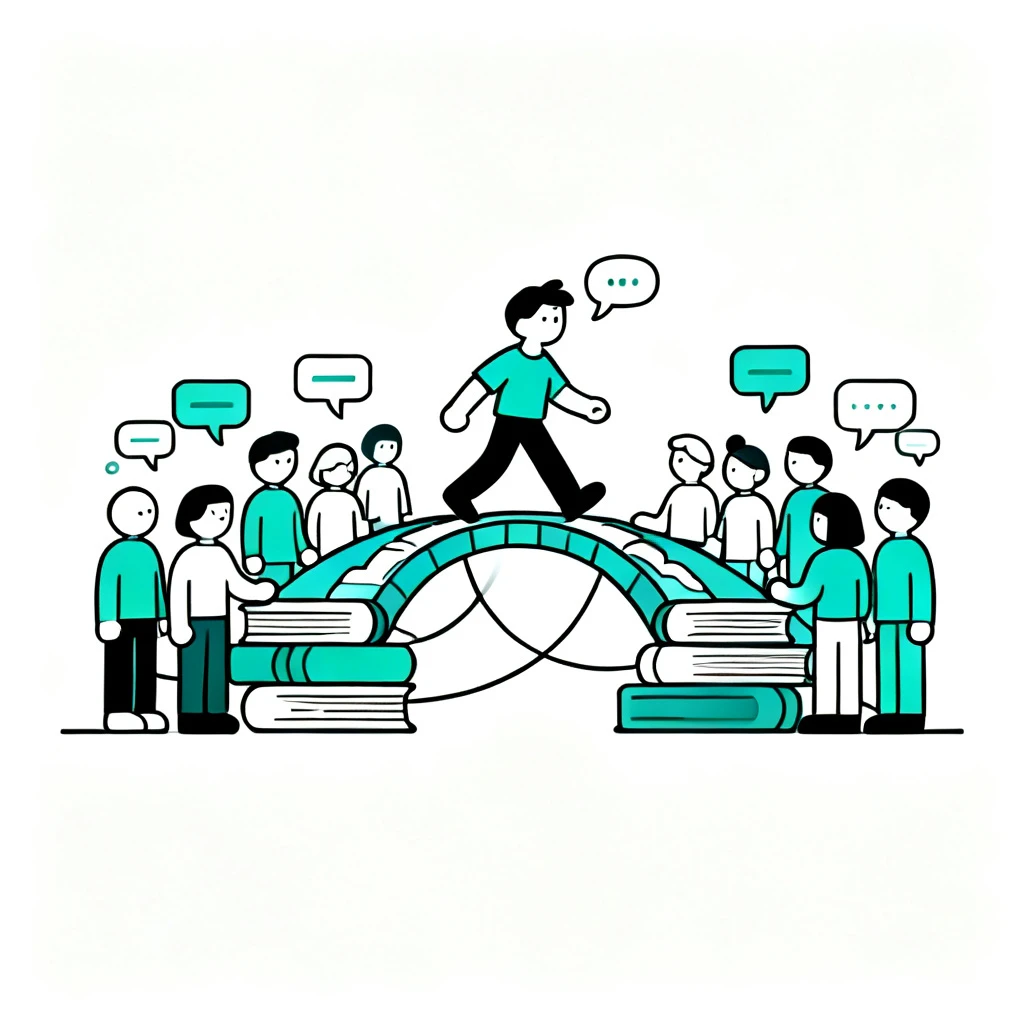
And you need people genuinely hungry to learn from real experiences instead of just being entertained. People who will read someone’s messy story and extract the lessons instead of just scrolling to the next thing.
Traditional social media trained us for passive consumption. This requires active engagement. That’s a harder ask.
Why This Matters Now
We’re drowning in content and starving for wisdom. The average person spends over two hours a day on social media. Multiply that across millions of people, and we’re collectively burning lifetimes of human attention on content we won’t remember by dinner.
Meanwhile, people are desperately searching for real guidance. Career transitions that feel uniquely chaotic. Relationship challenges they think only they face. Medical decisions made in the dark. Recovery paths with no map.
The answers exist in other people’s lived experience. But those stories are scattered, unorganized, or never shared at all because they don’t fit the viral-content format.
The Exchange Is Different
A traditional social network is an entertainment platform disguised as connection. You trade your attention for distraction. The platform wins if you stay longer, whether or not you gained anything.
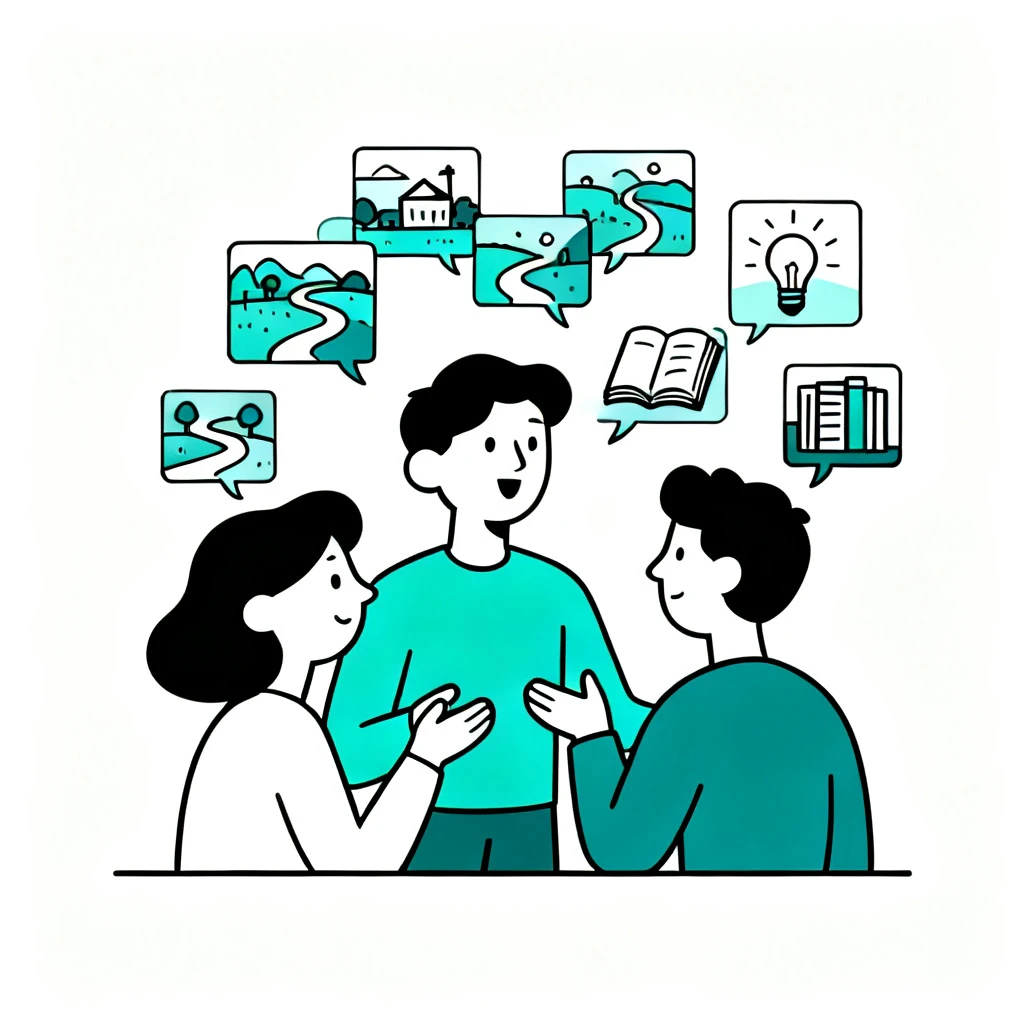
An experience-based network is something else entirely. You trade your story for access to others’ stories. You document what you learned so the next person doesn’t have to learn it the hard way. The platform wins when you walk away with knowledge.
That’s not just a different business model. It’s a different social contract.
What It Looks Like in Practice
Imagine opening an app and instead of seeing what everyone did this weekend, you see:
Someone documenting their first month after leaving their corporate job to freelance — the panic, the practical steps, what actually worked.
A parent sharing the three-year arc of navigating their kid’s learning difference — not the inspirational endpoint, but the confusing middle where they didn’t know what they were doing.
Someone chronicling their path through grief, medical treatment, financial recovery, career pivot — the whole honest journey, not just the “we made it” post at the end.
This isn’t entertainment. This is infrastructure. It’s the accumulated wisdom of people who walked a path before you, organized so you can actually find it when you need it.
The Shift Required
We’ve been trained by a decade of algorithmic feeds to expect instant hits of novelty. Switching to substance over stimulation takes intention. You have to choose to read someone’s full story instead of skimming for the highlight. You have to care what you learn, not just what you click.
And if you’re the one sharing, you have to risk being honest. Not curating the perfect image. Not waiting until you have all the answers. Documenting the journey while you’re still in it, messy parts included.
That’s uncomfortable. It’s also where the value lives.
The Bet
Platforms like Deeditt are making a bet: that people are ready for this shift. That we’re tired of burning hours on content we forget immediately. That we’d rather learn from each other’s real experiences than consume another polished performance.
It’s a bet that both sides — the people willing to share authentically and the people hungry to learn genuinely — exist and will find each other if you build the space for it.
That’s not a guaranteed outcome. Building a network on substance instead of stimulation is harder. The growth is slower. The engagement metrics look different.
But if it works, you get something the algorithmic feed can never deliver: a place where your time actually builds toward something. Where the content you consume today might change a decision you make tomorrow. Where sharing your story isn’t performance — it’s service.
That’s not just a different kind of social network. It’s a different relationship with our collective knowledge, our shared struggles, and the time we spend online.
The question is whether enough of us want it.