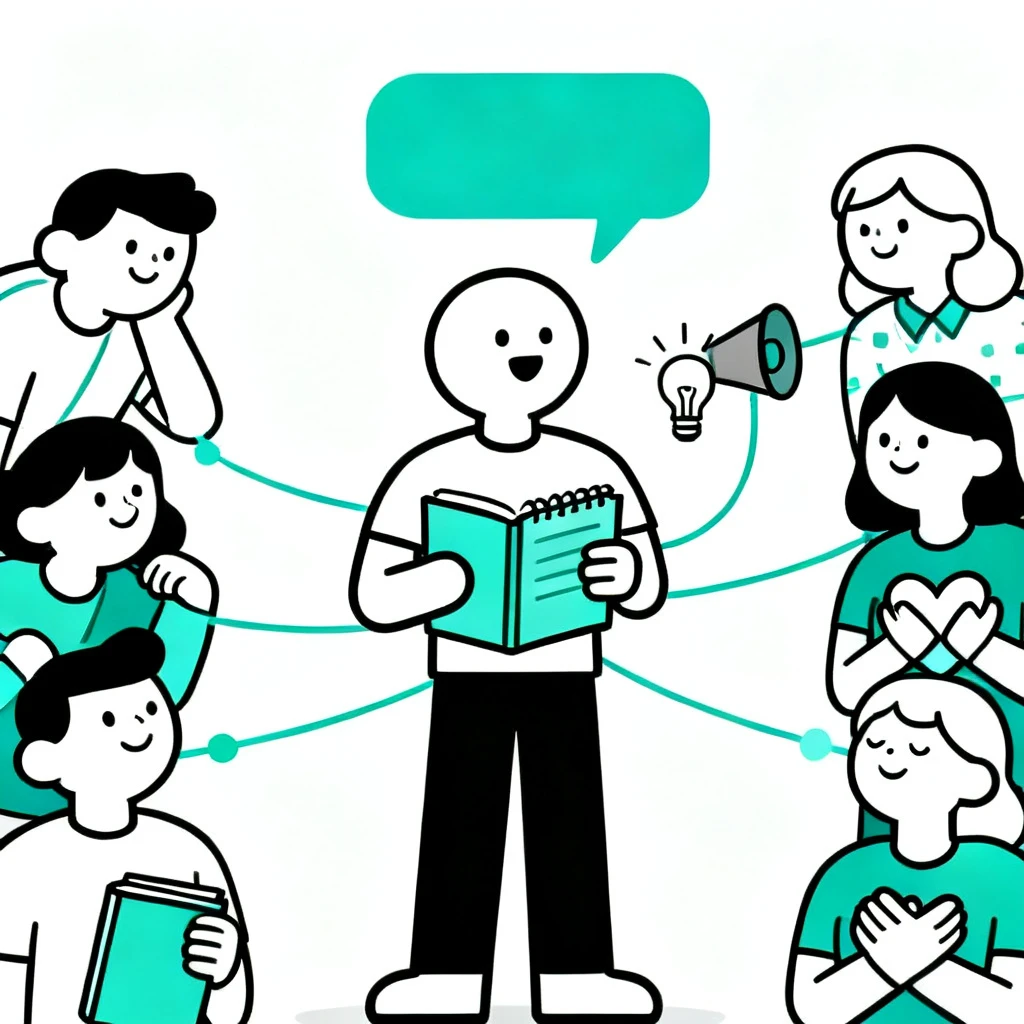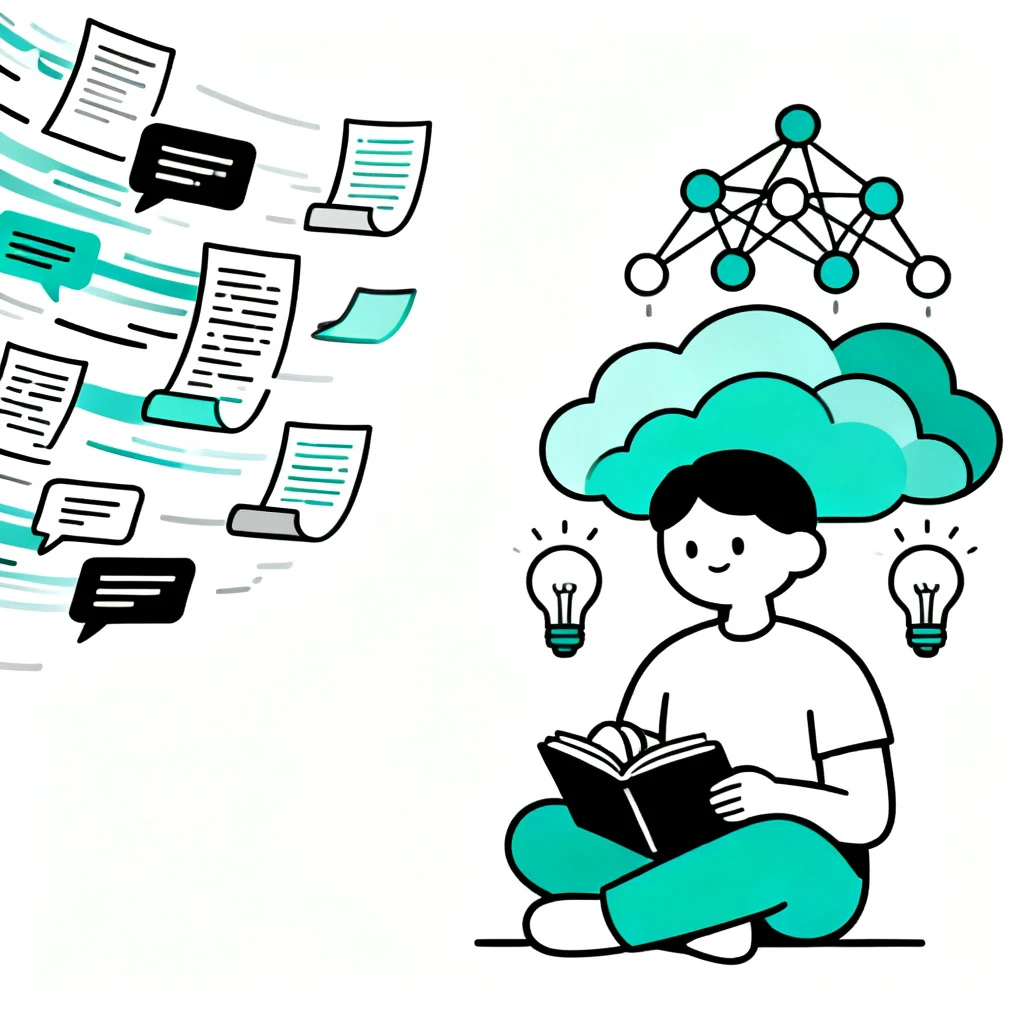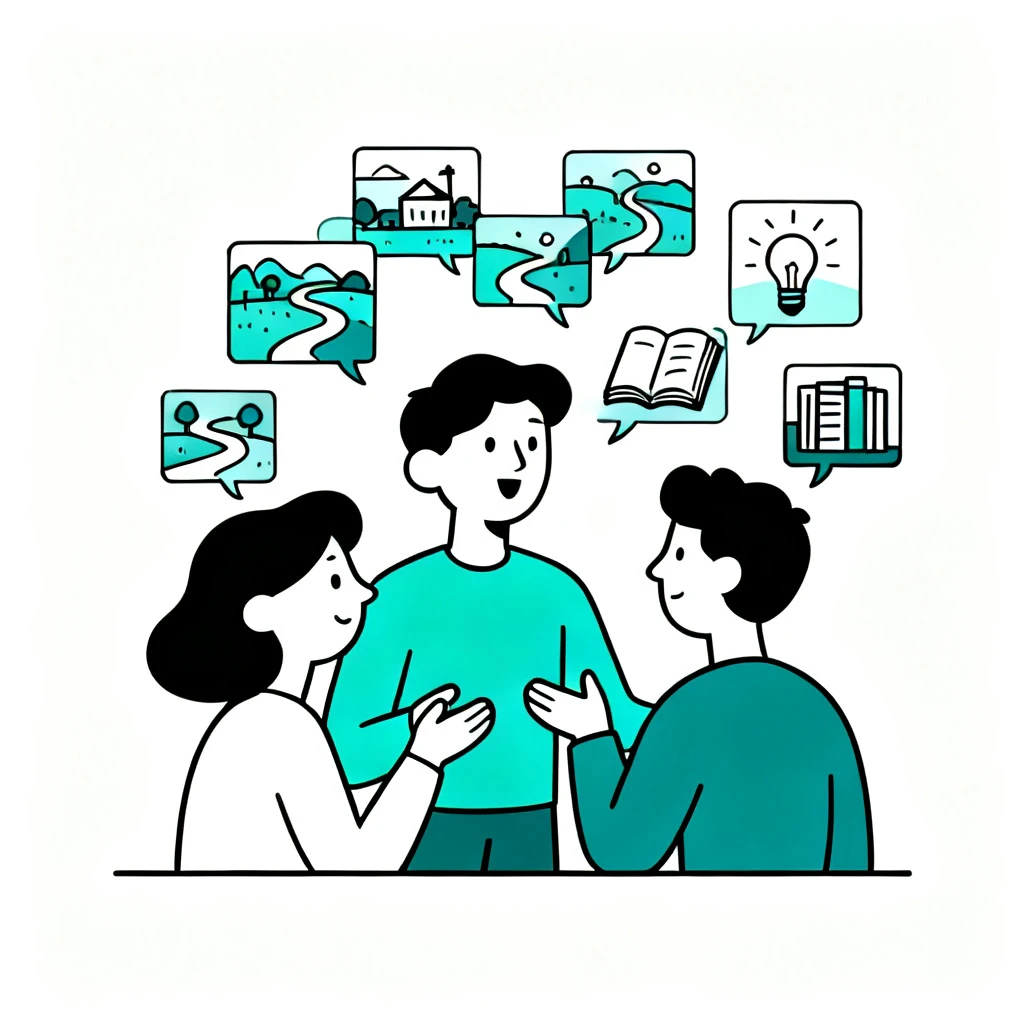
There are two completely different ways we understand the world. One is through facts and principles — the kind of knowledge you find in textbooks. The other is through lived experience — the kind that only makes sense when someone tells you what actually happened to them.
Philosophy has long recognized this distinction. Some knowledge simply can’t be reduced to rules or bullet points. The wisdom of knowing how to navigate a difficult conversation, when to persist and when to let go, what it really feels like to start over — these things don’t fit on a PowerPoint slide. They only exist in the texture of someone’s real story.
This isn’t just poetic thinking. It’s about how humans are actually wired to learn.
Why stories teach what advice can’t
We learn by watching other people. A child doesn’t just follow instructions about how to be brave — they watch their parent face something scary and absorb the whole shape of it. Adults work the same way. When you hear someone’s detailed account of leaving a bad job, rebuilding after loss, or finally asking for help, something shifts in your understanding that no generic advice could touch.
Psychologists have studied this for decades. When we’re absorbed in someone’s story, our brains don’t just process information — they simulate experience. The specific details matter. The mess matters. The parts where you didn’t know what you were doing and tried three wrong things first — that’s not clutter to edit out. That’s the knowledge.
The more specific, the more universal
Here’s the paradox: your most personal, unrepeatable details are what make your story useful to others. The exact text message you sent. The smell of the hospital hallway. What your boss actually said in that meeting. These aren’t just colorful additions — they’re what let someone else recognize themselves in your experience.
Generic wisdom slides off our brains. “Trust the process” means nothing. But a real account, with all its hesitations and wrong turns and 3am doubts, stays with us. That’s because stories don’t just transfer information. They transfer understanding.
We all underestimate this
Most of us walk around thinking our experiences are too ordinary to matter. We assume everyone already knows what we’ve learned, or that our specific situation is too unique to help anyone else. Both assumptions are almost always wrong.
Right now, someone is typing “has anyone else…” into a search bar, desperately looking for evidence that they’re not the only one facing what you already survived. Someone is about to make a decision you already made and could really use a map of what actually happened, not what theoretically should happen.
When we stay silent about our real experiences — not because of privacy, but because we think they don’t matter — we’re not just being modest. We’re withholding knowledge that someone else genuinely needs.
Your silence creates a gap
Philosophers have a name for what happens when certain experiences go unspoken: it creates a gap in our collective understanding. People struggle to make sense of their own lives because the testimony that would help them interpret their experience was never offered.
This happens all the time. Career transitions that feel uniquely chaotic until you hear someone else describe the same uncertainty. Relationship patterns you think are just you until someone names the exact dynamic you’ve been living. Medical experiences, parenting challenges, grief, job searches, recovery — these are all territories where people desperately need maps, and the maps exist in the stories of people who’ve already walked that ground.
Vulnerability is the door
The reason most stories stay untold isn’t because we don’t have them. It’s because sharing them requires vulnerability. It means admitting we didn’t have all the answers. It means showing the parts that weren’t graceful or certain.
Research on human connection keeps arriving at the same finding: the courage to be seen, even when it’s uncomfortable, is what creates genuine connection between people. Your polished highlights don’t help anyone. Your messy middle does.
This matters for how we build knowledge together
For most of human history, communities learned this way. Elders shared stories. Mistakes got passed down as warnings. Successes got passed down as evidence of what’s possible. We built collective wisdom one story at a time.
The internet promised to scale this, but instead it gave us generic advice from strangers who’ve never walked our specific path. What we actually need — and what we’re increasingly searching for — are real accounts from real people who have been where we are.
This is why platforms that organize life experiences as stories, not just status updates, matter. When you can trace someone’s journey from confusion to clarity, from problem to solution, from before to after — that’s knowledge transfer happening at the level it actually works.
Your story is a form of stewardship
You don’t owe the world a memoir. You don’t have to broadcast everything. But the lesson you earned the hard way? The thing you figured out after months of confusion? The path you walked that you wish someone had told you about beforehand?
That’s not just your private history. That’s knowledge. And somewhere, right now, someone needs exactly that map to find their way through the dark.
Sharing it isn’t oversharing. It’s recognizing that your experience — however ordinary it feels to you — is extraordinary to the person three steps behind you on the same path.
We learn from each other’s lives. Always have. Always will. The question is just whether we’ll offer what we know, or keep it locked away because we’ve underestimated how much it matters.