You’ve been here before. That sinking feeling in late October. The way you always pick the same kind of friend, then wonder why it ends the same way. The strange productivity burst every February. The fight with your partner that sounds suspiciously like the fight from two years ago.
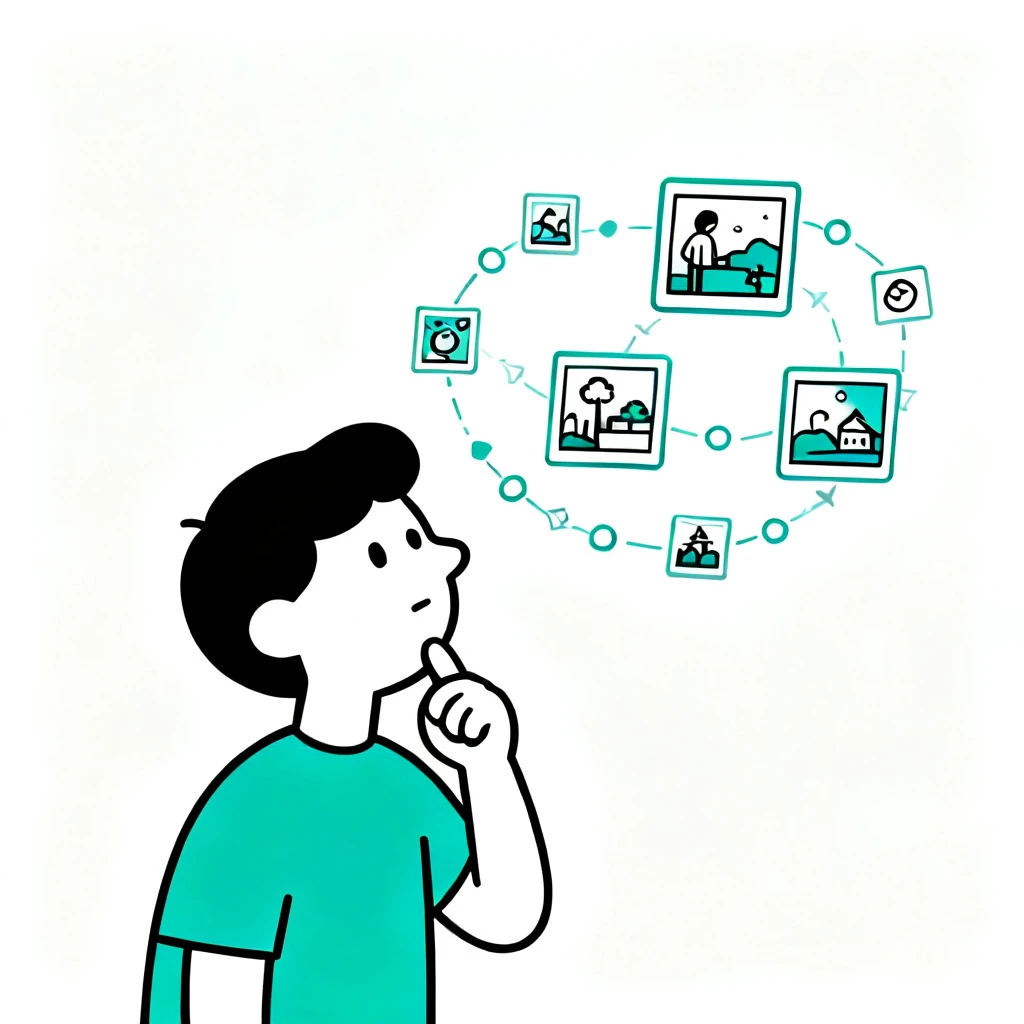
Your memories aren’t just a record of what happened. They’re a pattern library. And most of us never read it.
The lessons are already inside you
Psychologists have a name for the way your brain quietly absorbs lessons from experience without you noticing: implicit learning. You learn to ride a bike, read a room, sense when a conversation is about to go sideways — all without consciously studying. The trouble is, this same system also files away the patterns you’d rather break. Your brain prefers familiar over good. So you keep choosing the same kind of job, the same kind of partner, the same coping strategy — even when part of you knows better.
The patterns are there. You just can’t see them while you’re standing inside them.
Why patterns hide in plain sight
In the moment, life feels like one thing happening at a time. You’re stressed today. You’re happy this weekend. You’re anxious this month. Your memory simply isn’t built to hold five Novembers side by side and notice they all look the same.
That’s the forest-for-trees problem of being a person. Emotions are loud. Today is vivid. Last March is fuzzy. And journaling, on its own, doesn’t fix it — a notebook full of entries is still just a stack of single moments unless something connects them.
Vertical and horizontal: two ways to see
There are really two ways your past tries to talk to you.
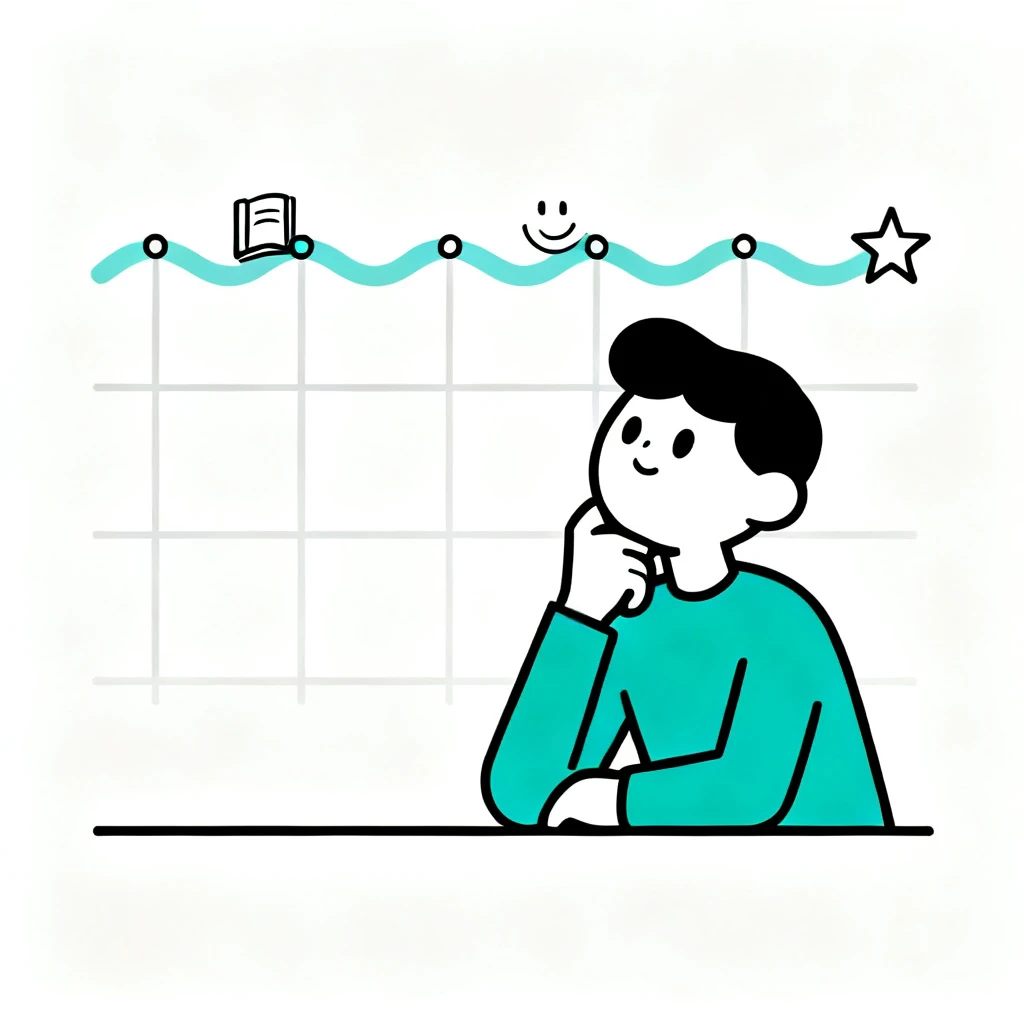
Vertically — same time, different years. Stack your last four Aprils on top of each other. Notice anything? Maybe you always feel restless. Maybe every spring you start a new project. Maybe birthdays make you reflective in ways that always lead to a big decision two weeks later.
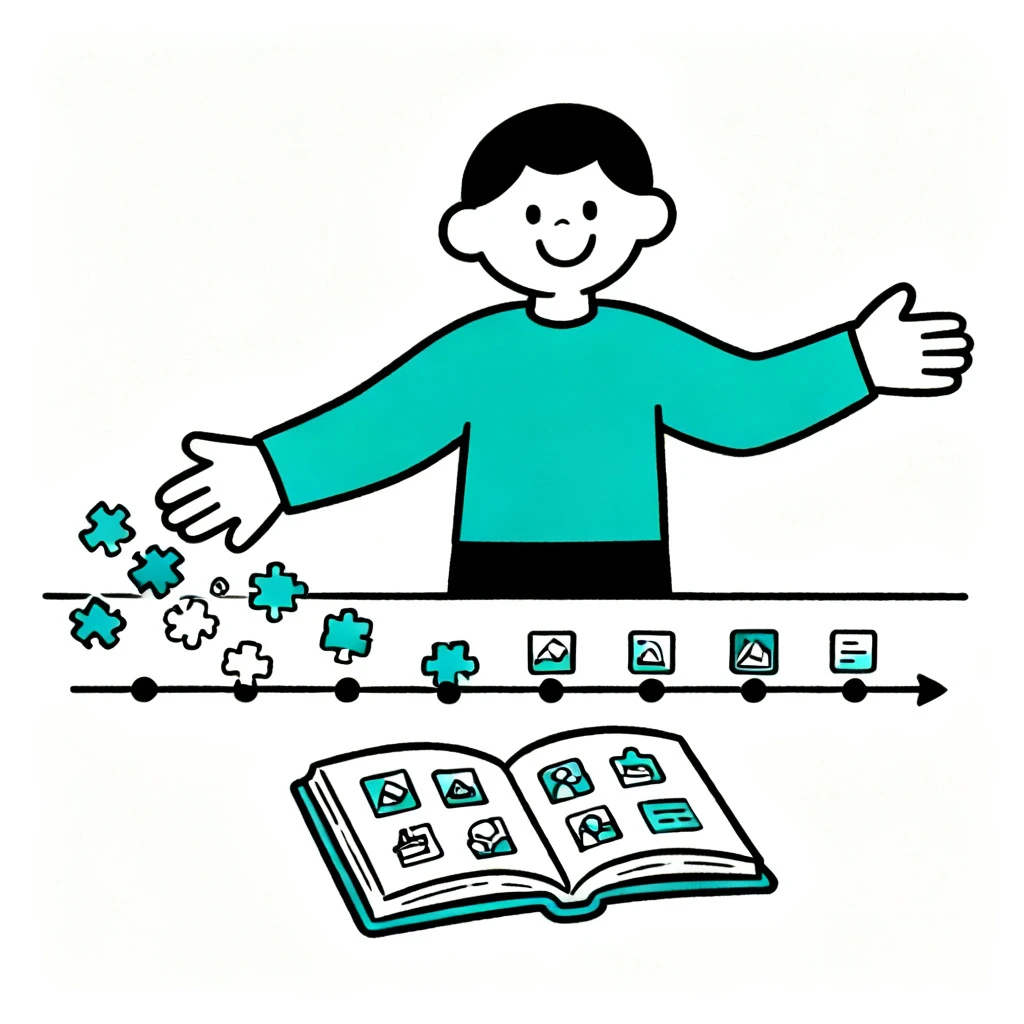
Horizontally — within a single stretch of weeks or months. The buildup before the breakup. The three small wins that preceded the big career leap. The way poor sleep on Tuesday becomes a Friday meltdown. Cause and effect become visible only when you connect the dots across days.
This is exactly what Deeditt has been working on — tools that surface those vertical and horizontal connections for you, so the patterns inside your own memories stop being detective work. The knowledge is already there. It just isn’t clearly visible.
What to do once you see it
Start small. Ask: What did last year’s me feel in this same week? What usually happens right before I burn out? Who do I keep reacting to the same way?
When you spot a pattern, you don’t have to fix it overnight. Just naming it changes the math. Self-awareness is the difference between repeating a chapter and writing the next one.
Your past isn’t just history. It’s a teacher — patiently waiting for you to notice.