Most discipline advice starts too late
Many people are told to be more disciplined when what they actually need is a better system. They try to rely on motivation or willpower, but those are not stable over time.
If your environment is unclear, your goals are vague, and your progress is invisible, discipline becomes difficult to sustain. It starts to feel like a personal failure, when in reality it is often a design problem.
Discipline does not begin with effort. It begins with structure.
Discipline gets stronger when behavior becomes easier to repeat
A good system makes the desired behavior simple and repeatable. Instead of asking for intensity, it reduces friction.
This often means:
- defining a habit in its smallest useful version
- connecting it to something you already do
- making the next step obvious
- tracking whether you showed up
When actions are small and clear, they are easier to repeat. Repetition is what builds discipline, not bursts of effort.
Documentation makes effort easier to trust
One reason people give up is that progress is hard to notice in the moment. Small improvements disappear quickly if they are not recorded.
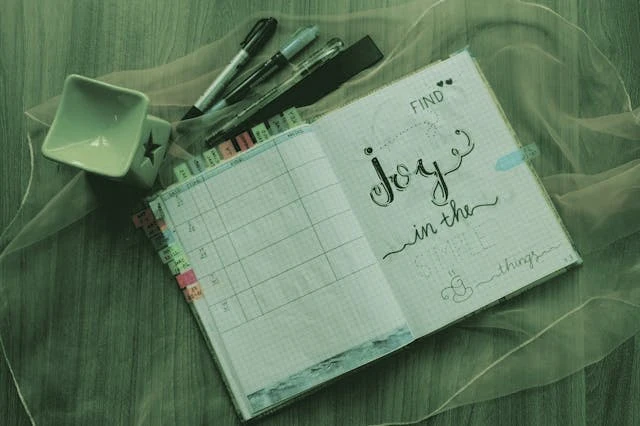
Writing down what you did creates evidence. It allows you to see patterns over time, including effort, setbacks, and recovery.
This changes the experience. Instead of relying on how you feel, you can look at what actually happened.
Identity grows from repeated evidence
Discipline becomes more stable when it connects to identity. When you consistently show up and document it, you start to see yourself differently.
You are no longer trying to become disciplined. You are building proof that you already are.
That shift makes behavior easier to maintain.
How to apply this in practice
Start with something small enough to do even on a difficult day. Define what counts as success. Notice what helps and what gets in the way.
Focus on showing up, not performing perfectly.
Build systems, not pressure
Over time, your system will become clearer. You will learn what works, what does not, and how to adjust.
Discipline improves when you stop chasing motivation and start designing consistency.