Some experiences belong to more than one person
Many meaningful experiences are not lived alone. Relationships, family changes, team projects, friendships, and shared challenges often involve more than one person.
However, most platforms treat stories as if they belong to a single voice. This simplifies the narrative, but it also removes an important layer of reality.
Each person experiences the same event differently. Those differences are not noise. They are part of the story.
Shared journeys can hold complexity better
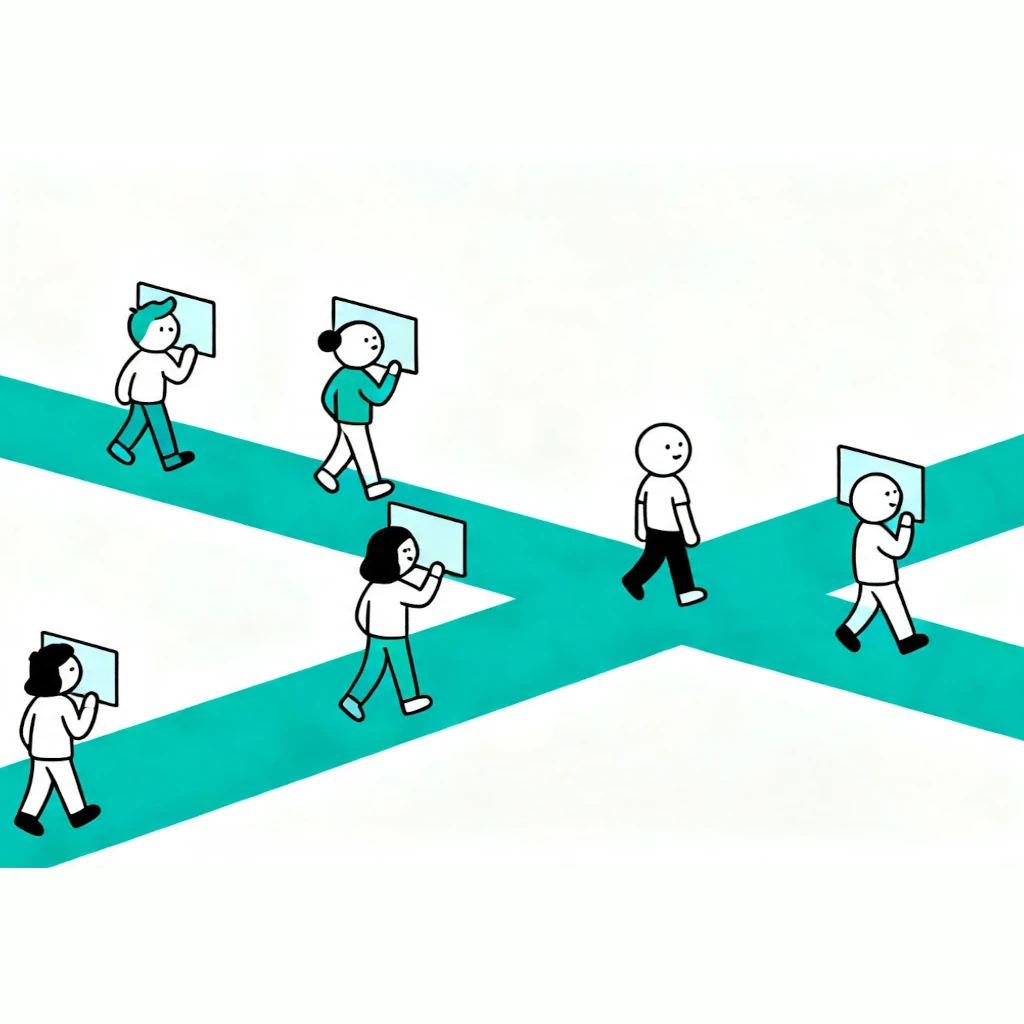
A shared journey allows multiple people to contribute to the same story without merging their voices into one.
Each participant can document:
- their own perspective
- their own timing
- their own emotions and interpretations
This creates a richer record. Instead of a single version, the story becomes a collection of perspectives that coexist.
Over time, this makes the experience easier to understand in its full complexity.
Multiple perspectives make stories more credible
When readers can see different viewpoints, the story feels more grounded. It becomes less about presenting a perfect version and more about showing what actually happened.
Shared journeys also make stories more useful. They reveal how the same situation can affect people in different ways, and where those experiences align or differ.
This helps readers relate more deeply and learn from multiple angles.
This is a strong fit for Deeditt
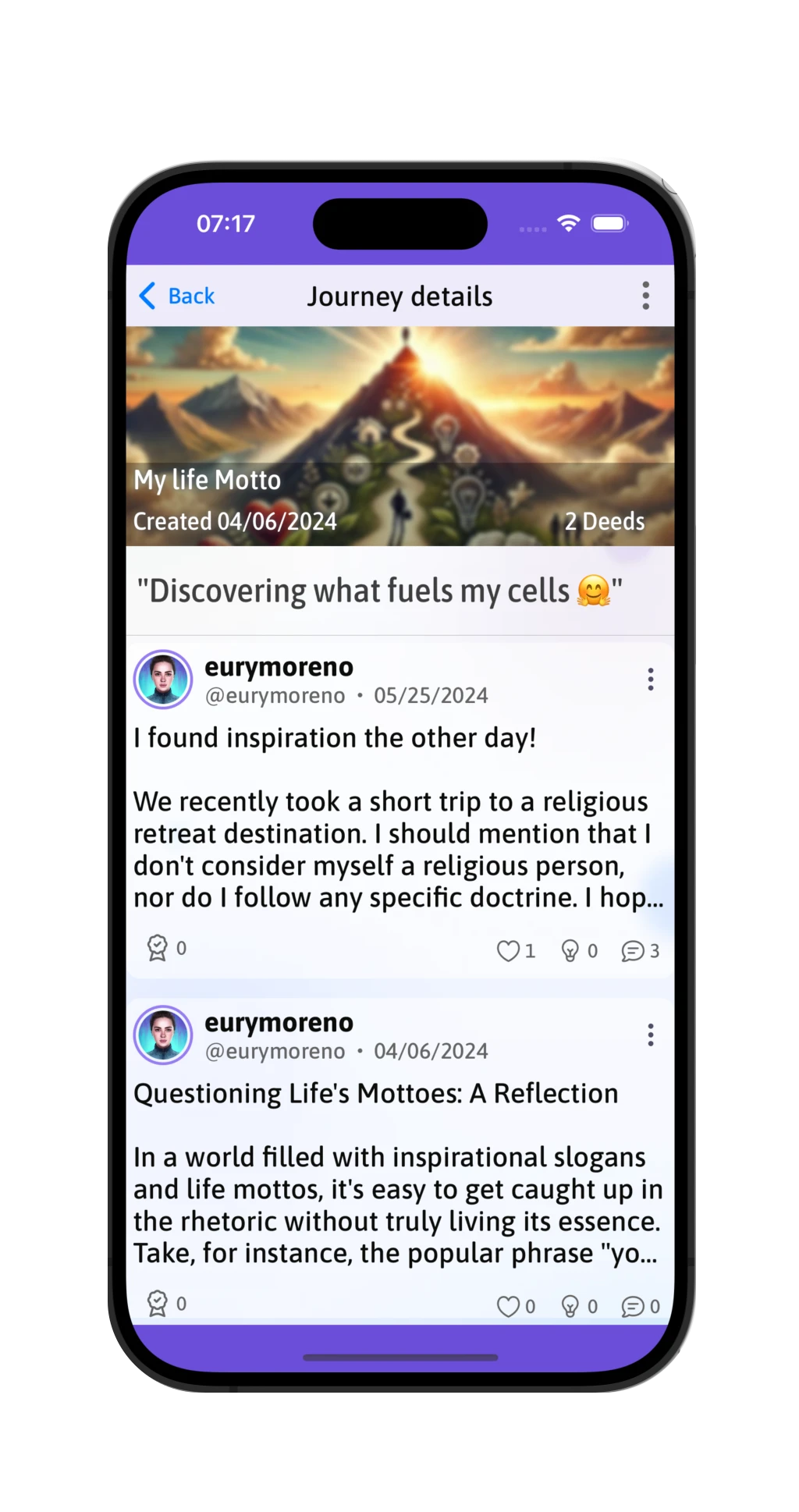
Deeditt focuses on real experiences and continuity over time. Supporting shared journeys extends that idea beyond the individual.
It allows stories to reflect relationships, not just personal narratives.
Stories become more complete
When multiple voices are preserved, the story becomes more complete. It captures not only what happened, but how it was lived by different people.
That is closer to how real life works, and it makes storytelling more honest, more human, and more meaningful.