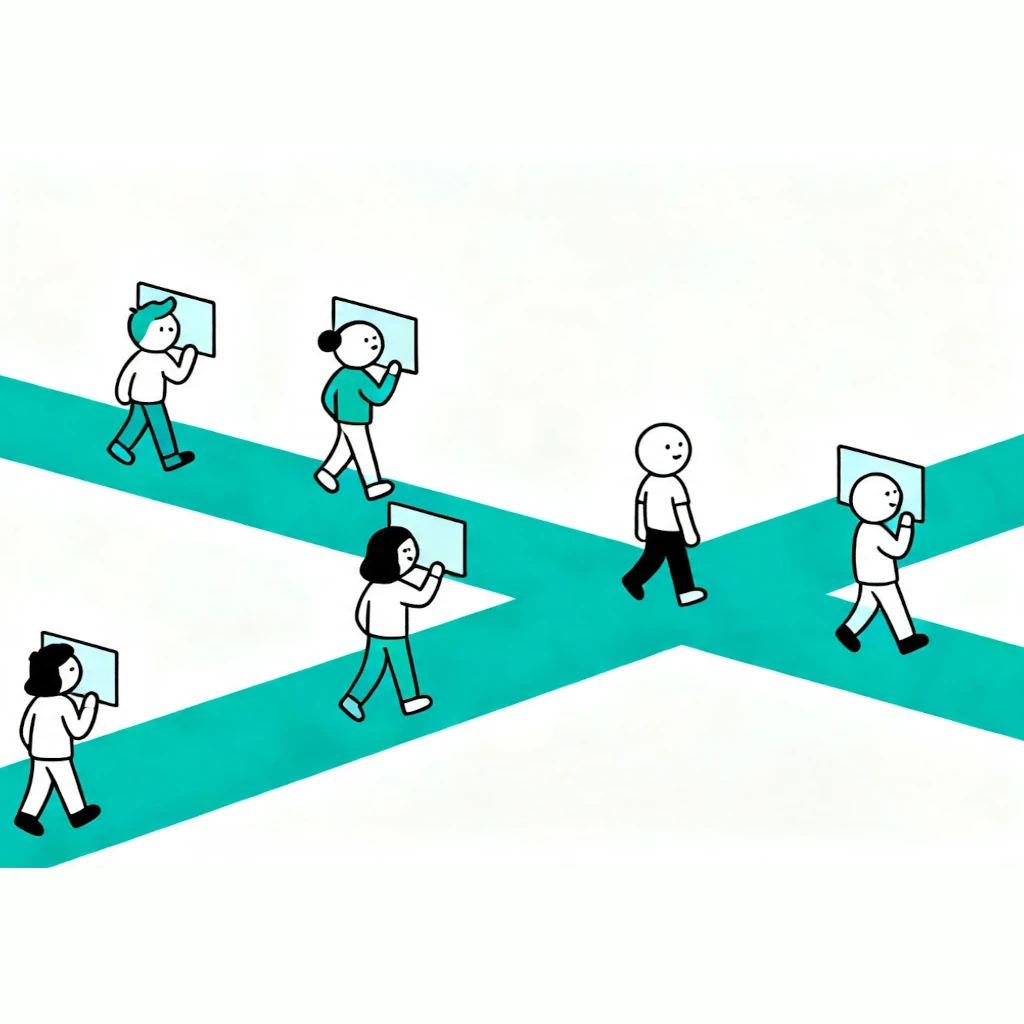
When something significant happens — a trip, a project, a milestone, a difficult transition — each person who was there remembers it differently. Not because anyone’s lying or wrong. Because everyone experienced it from a different position.
You remember the moment you made the decision. Your partner remembers the conversation that led to it. Your friend remembers supporting you through the aftermath. Each version is true. Each version is incomplete.
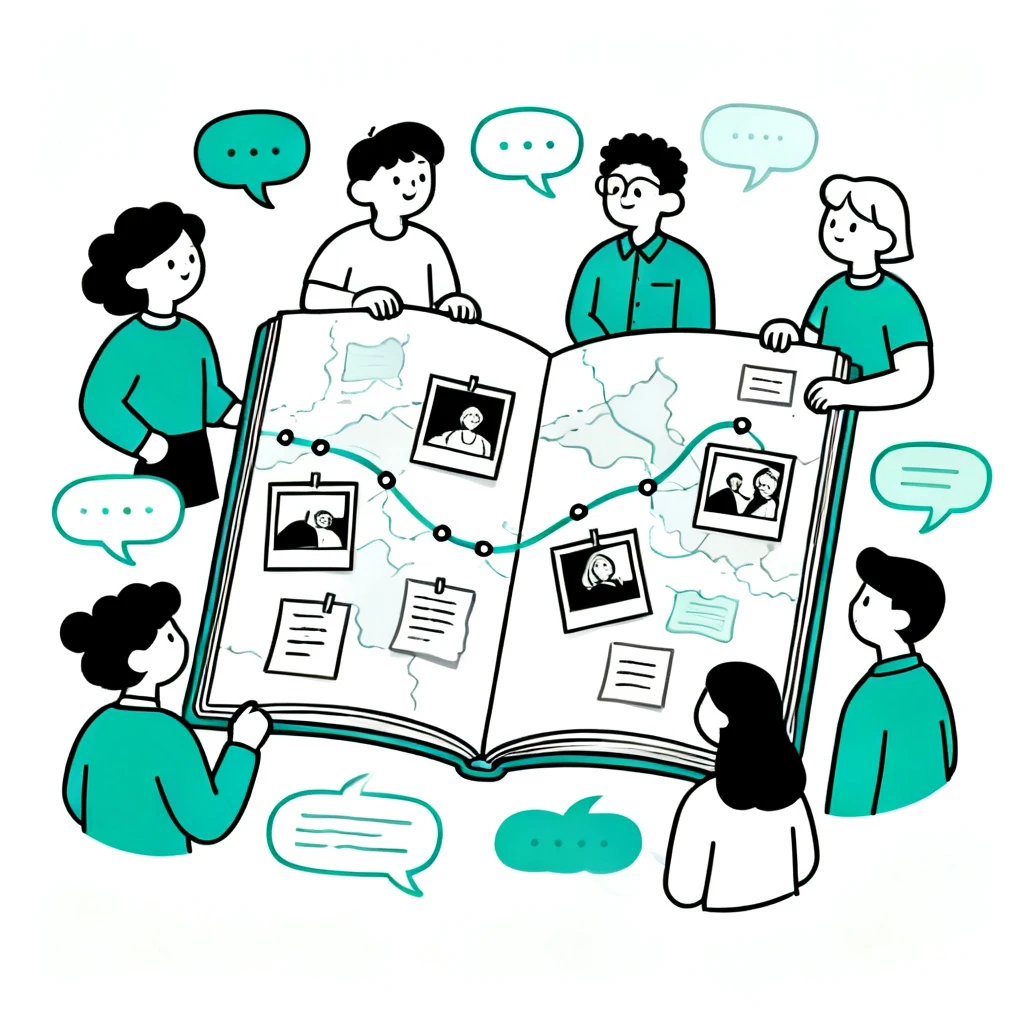
Traditional journaling captures your version. Shared Journeys capture all of them.
Why Most Apps Miss This
Most journaling apps are built for solo documentation. One person, one perspective, one account. That makes sense for private reflection. It makes less sense for experiences that were actually shared.
Think about a family vacation, a team project, a race you ran with friends, a move across the country. These aren’t solo experiences. But we document them as if they were. You write your version in your journal. They write theirs in theirs. And nobody ever sees how the same event looked from different angles.
That’s not just a lost opportunity. It’s a fundamentally incomplete record.
What Multiple Perspectives Actually Reveal
When several people document the same experience, something interesting happens. Details emerge that nobody would have captured alone. One person remembers the moment that changed everything. Another remembers the preparation nobody saw. Someone else remembers the emotional weight that wasn’t obvious to anyone else in the room.
These aren’t contradictions. They’re layers. Each person saw something real that the others missed because they were focused elsewhere. When you combine these accounts, you get closer to what actually happened than any single memory could reach.
This is how groups have told stories for thousands of years. The problem is that modern journaling treats everything as individual.
The Memory Bias Problem
Your memory is not objective. It’s selective, filtered, and shaped by what you were paying attention to in the moment. You compress events. You fill gaps with assumptions. You remember things in ways that make sense to you, not necessarily in ways that match what actually occurred.
When you’re the only one documenting an experience, these biases go unchecked. Your version becomes the version, even though it’s incomplete.
When multiple people share their accounts, biases become visible. Someone remembers a detail you forgot. You remember something they missed. The gaps start filling in. The story becomes less about one person’s perception and more about what actually happened.
Why People Don’t Do This More
The main barrier is friction. Solo journaling is fast and private. Shared documentation requires coordination. Who’s going to contribute? When? What if people remember things differently and it creates conflict?
These are real concerns. But they miss the point. The value isn’t in everyone agreeing. It’s in everyone contributing their piece. The differences are the point. That’s where the full picture comes from.
The other barrier is simply not thinking about it. We default to private documentation because that’s what journaling has always been. It doesn’t occur to us that some experiences would be richer if captured from multiple sides.
Where This Works Best
Shared Journeys aren’t for everything. Solo reflection still has its place. But for experiences that were genuinely shared — family events, team accomplishments, group adventures, collaborative projects — documenting from multiple perspectives creates something more valuable than any single account.
You’re not trying to create one unified version. You’re preserving the many true versions. How the same trip felt to the person planning it versus the person experiencing it for the first time. How the same project looked to the person leading versus the person executing. How the same difficult conversation landed with each person in the room.
What Deeditt Makes Possible
This is where Deeditt’s structure actually matters. Shared Journeys lets multiple people contribute Deeds to the same story. Each person adds their perspective, their moment, their version of what happened.
The result isn’t just collaboration. It’s a layered record that shows how experiences are lived differently by the people who were there. That’s memory as it actually works — multiple, overlapping, incomplete alone but richer together.
Most platforms aren’t built for this. They’re built for broadcasting or for privacy. Shared Journeys sits in between: documented together, each voice distinct, the full picture emerging from what everyone contributes.
Not every story needs this. But the ones that do? They’re worth capturing this way.