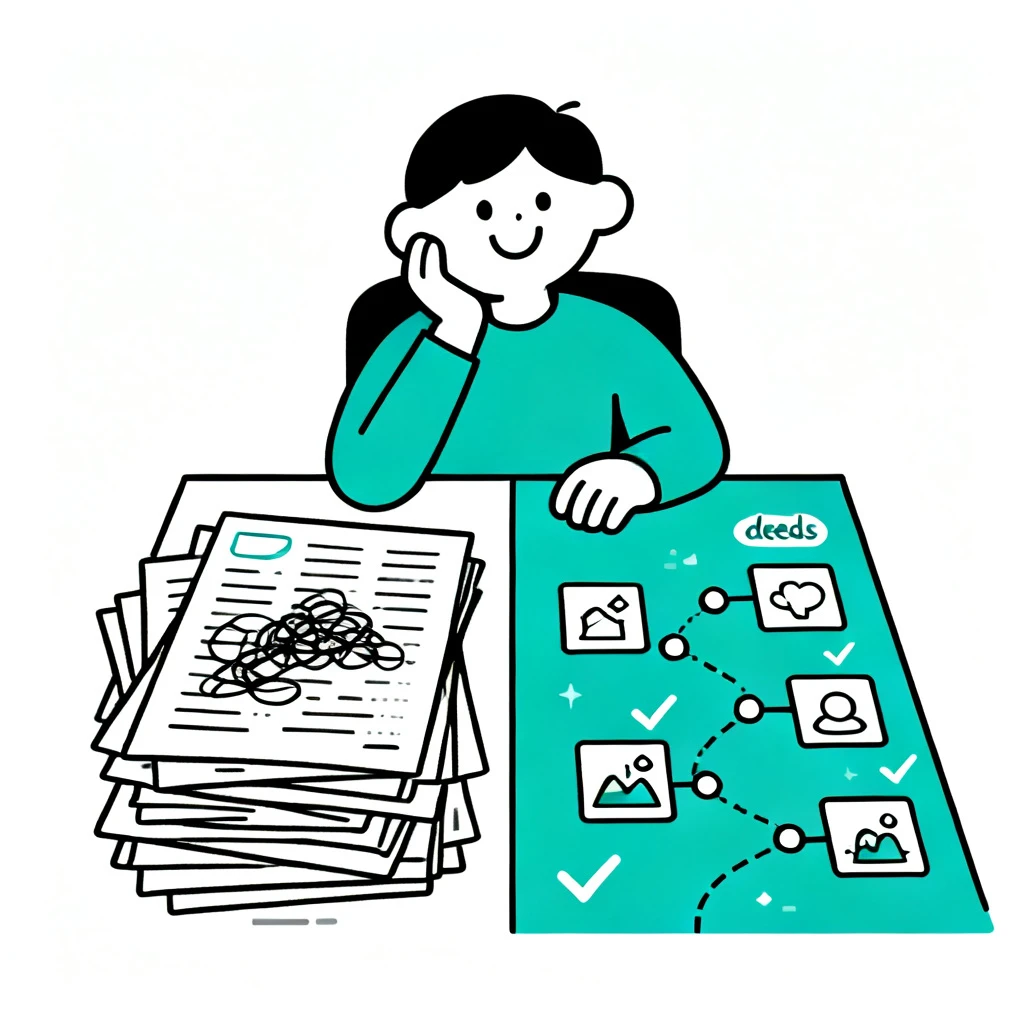
Most people write in one of two modes. There’s the writing you do for yourself — the messy brain dump, the journal entry at 2am, the notes that help you figure out what you actually think. Then there’s the writing you do for others — the polished post, the carefully edited story, the version where you’ve thought about who’s reading.
Both matter. Both serve a purpose. But somewhere along the way, we started treating them like they’re mutually exclusive. You either keep it private or you make it public. You either write raw or you write refined.
What if that’s a false choice?
When Writing Is Just for You
Writing for yourself is liberating. No audience means no pressure. You can be messy, contradictory, half-formed. You can write the same complaint three times in different ways until you understand what you’re actually upset about. You can change your mind mid-sentence. You can be embarrassingly honest.
This kind of writing does something nothing else can — it helps you think. The act of putting words down, even badly, clarifies what’s actually going on in your head. Emotions become less overwhelming when you name them. Decisions become clearer when you write out the pros and cons, even if nobody else ever sees them.
But here’s what gets lost: that raw, honest writing often contains exactly what someone else needs to read. The confusion you worked through. The realization you had. The thing you figured out that felt obvious in hindsight but wasn’t obvious at all while you were living it.
When we keep all that private, we protect ourselves from judgment. We also deprive others of the map we just drew.
When Writing Is for Others
Writing for others flips the equation. Now you’re thinking about clarity. Structure. Whether this makes sense to someone who isn’t inside your head. You edit out the tangents, smooth the rough edges, find a better way to say what you meant.
This discipline makes writing better. It forces you to figure out what you’re actually trying to say. It turns a brain dump into something someone else can learn from.
But the pressure can also kill the writing before it starts. You second-guess every sentence. You wonder if it’s interesting enough, useful enough, polished enough. You save it as a draft and never post it because it doesn’t feel ready.
The performance anxiety of writing for an audience can silence the very honesty that makes writing valuable.
The Middle Path Nobody Talks About
The problem isn’t writing for yourself or writing for others. The problem is treating them as separate activities that happen in different places.
What if your private writing could evolve into public writing naturally, when you’re ready? What if you could start messy and personal, then gradually shape it into something others might find useful — without the pressure of performing from the first word?
That’s what Deeditt makes possible. You begin writing for yourself. Private reflections. Raw thoughts. The honest account of what you’re going through. No audience, no pressure, no performance.
Then, as you write and the picture becomes clearer, you might realize: this could help someone. This journey I’m documenting — someone else is about to walk it and would benefit from seeing how it actually went.
At that point, you can choose to share. Not because you wrote it for an audience from the start, but because what began as private reflection became something worth making public.
Why This Distinction Matters
Most platforms force you to decide upfront: is this private or public? That decision changes how you write. If it’s public, you perform. If it’s private, nobody benefits from your hard-won insights.
Deeditt’s structure — Memories for private reflection, Deeds and Journeys for shared stories — acknowledges that good writing often starts personal and becomes useful to others over time. You don’t have to choose at the beginning. You let the writing evolve.
The Memories you capture today might become the Journey you share next year, once you’ve lived enough of it to see the shape clearly. Or they might stay private forever. Either way, you wrote honestly from the start.
Writing as Discovery
The best writing isn’t written for an audience or for yourself. It’s written to discover what you think, then refined so others can discover it too.
That doesn’t happen in one step. It happens in layers. First you write to figure it out. Then you write to make it clear. Then, maybe, you share it.
Deeditt doesn’t make you choose between those layers. It holds space for all of them. Private becomes public when you’re ready, not because a platform forced the decision before you’d written a single word.
That’s not just a better way to write. It’s a better way to learn from your own life and let others learn from it too.