The web is getting faster and less human at the same time
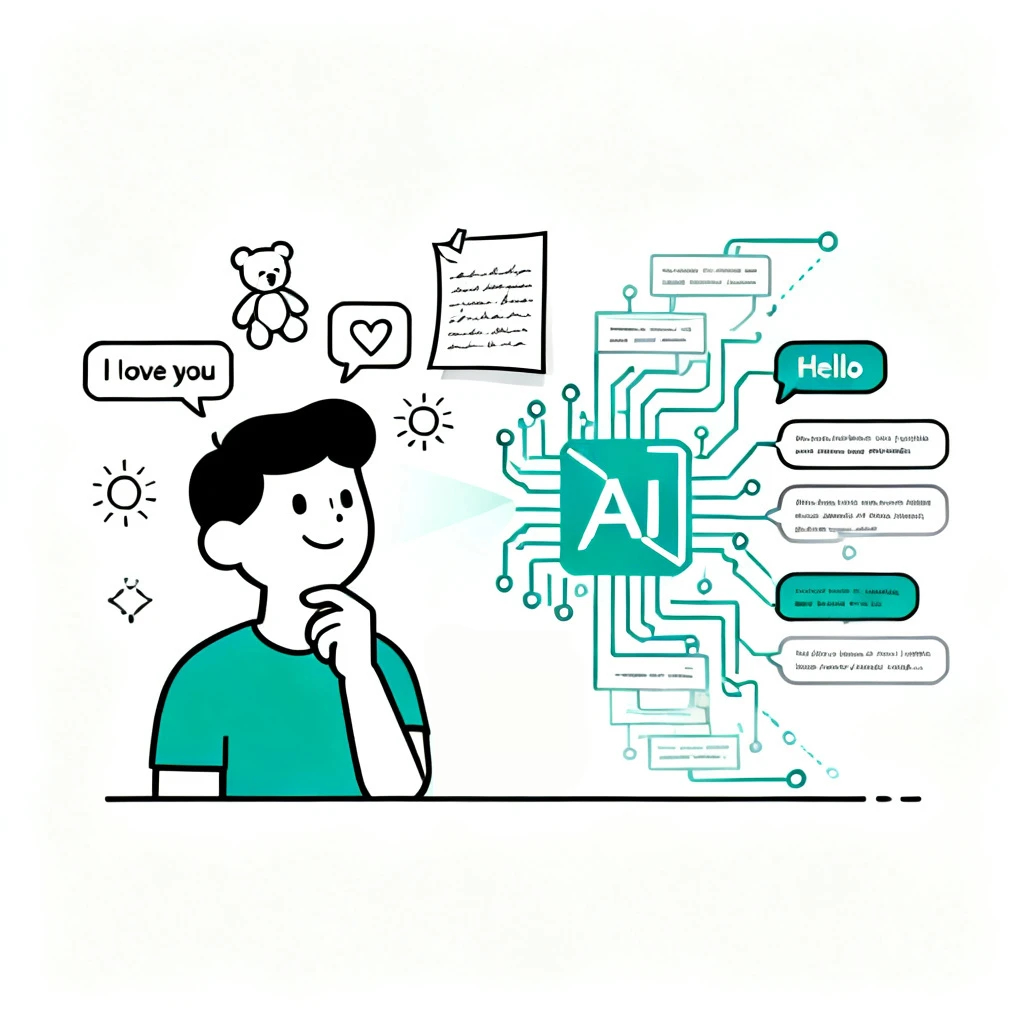
The internet is changing quickly. AI tools can now generate text, images, and ideas in seconds. This makes content easier to produce, but it also changes its nature.
There is more content than ever before, but much of it feels similar, repetitive, and disconnected from real experience. It is designed to be fast, not necessarily meaningful.
As this trend grows, something becomes more valuable: writing that comes from real life.
Slow content protects context
Slow content is not about writing more or making things complex. It is about writing with attention and intention. It allows ideas to take shape over time instead of being produced instantly.
This kind of writing preserves things that are often lost in fast content:
- lived perspective
- continuity across time
- uncertainty and change
- details that reflect real experience
These elements give writing depth and make it easier to trust.
Human writing becomes more valuable when it carries real experience
As generated content becomes more common, people will naturally look for writing that feels real. They will value stories that come from lived experience rather than automated output.
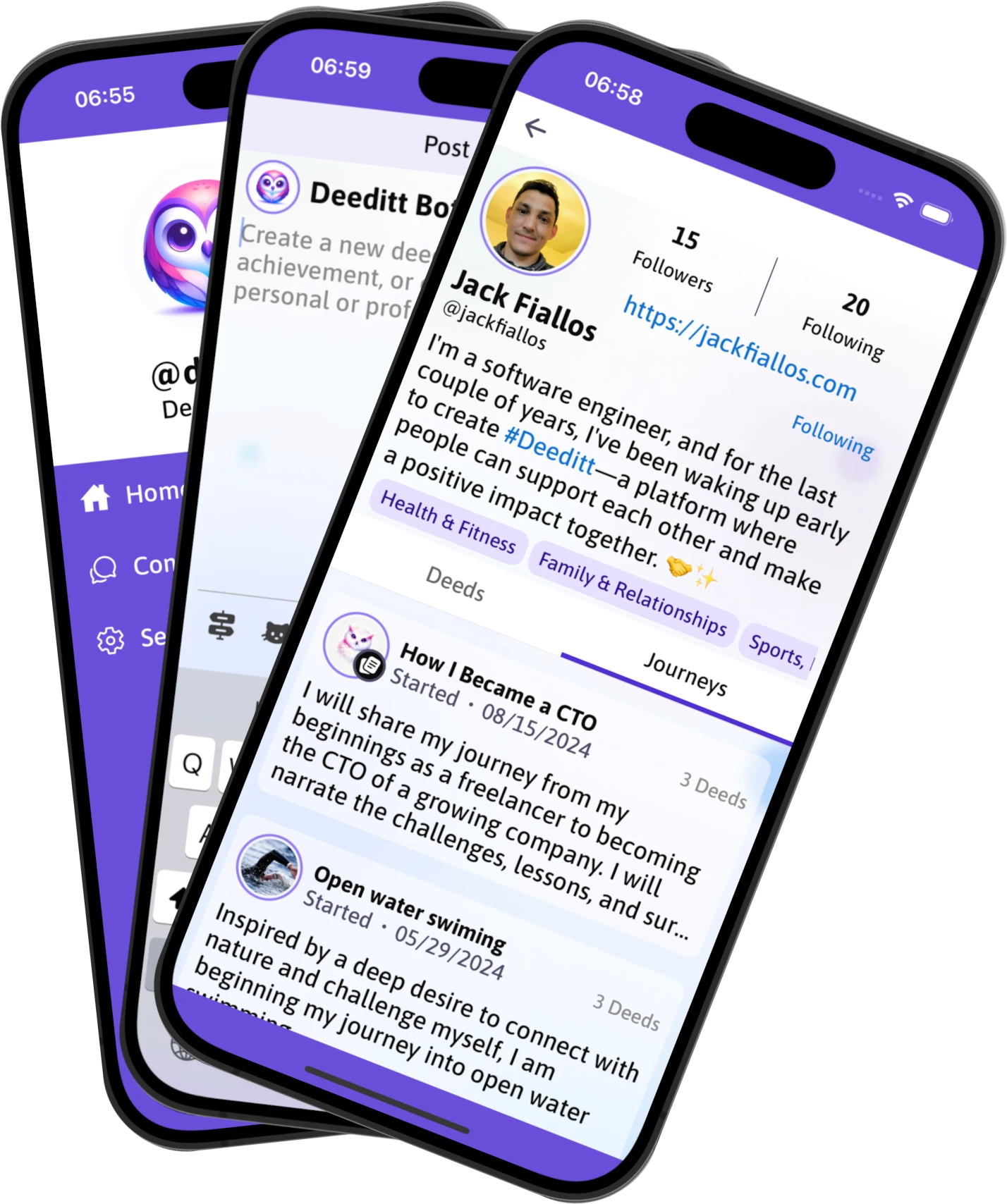
Deeditt supports this by focusing on journeys and reflection. Instead of encouraging quick publishing, it helps people document how experiences unfold.
This makes writing more grounded and more useful over time.
Deeditt should align with depth, not speed
If the internet continues to move toward automation, Deeditt should move in the opposite direction. It should create space for slower, more thoughtful storytelling.
This is not about resisting technology. It is about using it in a way that supports human understanding.
Writing that lasts
Slow content creates something different. It produces writing that can be revisited, understood, and valued over time.
In a fast-moving internet, that kind of writing becomes more rare and more meaningful.